
Best Kathmandu Heritage Tour
Table of Contents
+
Kathmandu is the cultural heart of Nepal, offering an extraordinary combination of ancient temples, historic royal palaces, Buddhist stupas, traditional Newari architecture, and vibrant local traditions. For international visitors interested in history, religion, art, and architecture, a Kathmandu Heritage Tour is one of the best ways to discover the city's cultural identity. From the historic courtyards of Kathmandu Durbar Square to the peaceful surroundings of Boudhanath Stupa, every destination reveals a different part of Nepal's heritage.
The Kathmandu Valley is home to seven monument zones recognised collectively as a UNESCO World Heritage property. These historic sites reflect centuries of Hindu and Buddhist traditions, traditional craftsmanship, and the artistic achievements of the Newar community. Exploring them with an experienced local guide helps visitors understand the historical background, religious significance, and cultural practices associated with each monument.
Whether you are visiting Nepal for the first time, travelling with family, or looking for a personalised cultural experience, you can explore Kathmandu through a half-day, full-day, or extended private heritage tour. With comfortable transportation and a knowledgeable guide, you can discover the city's UNESCO attractions while enjoying a flexible sightseeing experience.
1. Why Kathmandu Is Famous for Heritage and Culture
Kathmandu is famous for its historical monuments, religious traditions, traditional architecture, and cultural diversity. The city has developed through centuries of Hindu and Buddhist influence, creating a distinctive cultural landscape where temples, stupas, monasteries, and historic settlements exist alongside modern urban life.
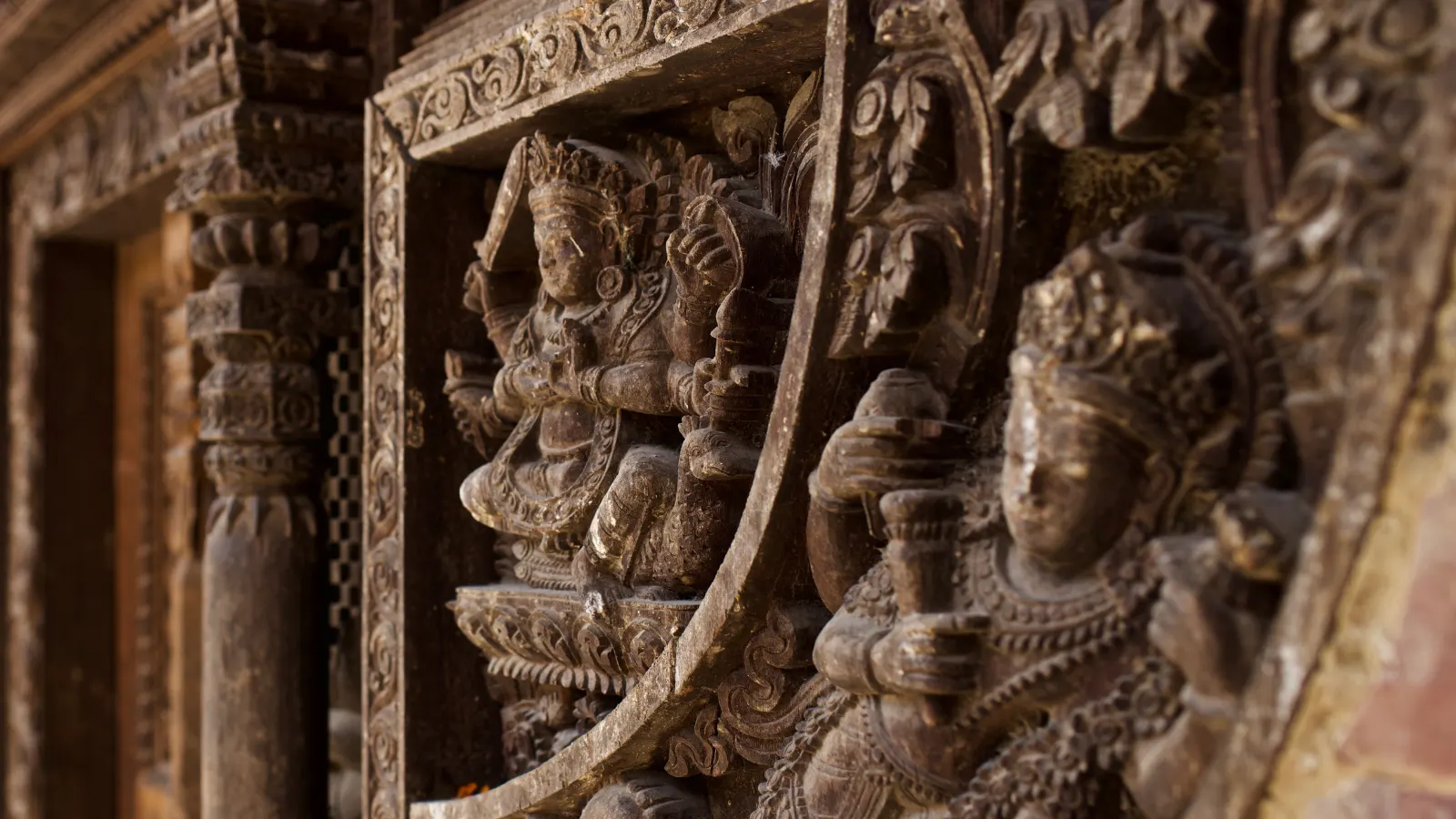
One of the most remarkable features of Kathmandu is its traditional Newari architecture. Ancient buildings feature intricately carved wooden windows, decorated doors, brick walls, pagoda-style roofs, and beautifully designed courtyards. These architectural elements can be seen throughout the historic squares of Kathmandu, Patan, and Bhaktapur.
Kathmandu is also an important destination for religious and spiritual tourism. Pashupatinath Temple attracts Hindu pilgrims, while Boudhanath and Swayambhunath are important centres of Buddhist worship. Visitors can observe religious ceremonies, traditional festivals, prayer rituals, and local customs while exploring these sacred places.
A heritage tour provides an opportunity to experience these attractions beyond ordinary sightseeing. With a local guide, travellers can learn about Nepal's ancient kingdoms, religious beliefs, traditional craftsmanship, and the cultural importance of the Kathmandu Valley.
2. UNESCO World Heritage Sites in Kathmandu Valley
The Kathmandu Valley was inscribed on the UNESCO World Heritage List in 1979. Its World Heritage property includes seven monument zones representing the valley's historic cities, Hindu temples, and Buddhist monuments.
The seven monument zones are:
- Kathmandu Durbar Square
- Patan Durbar Square
- Bhaktapur Durbar Square
- Swayambhunath Stupa
- Boudhanath Stupa
- Pashupatinath Temple
- Changu Narayan Temple
These sites represent the architectural, artistic, historical, and religious heritage of Nepal. Although they are part of one World Heritage property, they are located in different parts of the Kathmandu Valley and are best explored through carefully planned sightseeing routes.
3. Best Places to Visit on a Kathmandu Heritage Tour
A Kathmandu heritage tour can include several important historical and religious attractions. The following destinations are among the most popular places for international visitors interested in Nepalese culture.
3.1 Kathmandu Durbar Square
Kathmandu Durbar Square, also known as Hanuman Dhoka Durbar Square, is one of the most important historical attractions in central Kathmandu. It was once the royal residence of Nepalese kings and served as a centre for royal ceremonies, religious activities, and cultural celebrations.
The square features ancient palaces, pagoda-style temples, stone sculptures, traditional courtyards, and beautifully carved wooden structures. Important attractions include Hanuman Dhoka Palace, Kumari Ghar, and several historic temples. Visitors can explore the royal complex while learning about the Malla and Shah periods of Nepalese history.
Kathmandu Durbar Square is also an excellent place to experience traditional Newari architecture. The surrounding streets feature local shops, traditional houses, handicraft businesses, and small courtyards that reflect the city's historic lifestyle.
3.2 Swayambhunath Stupa
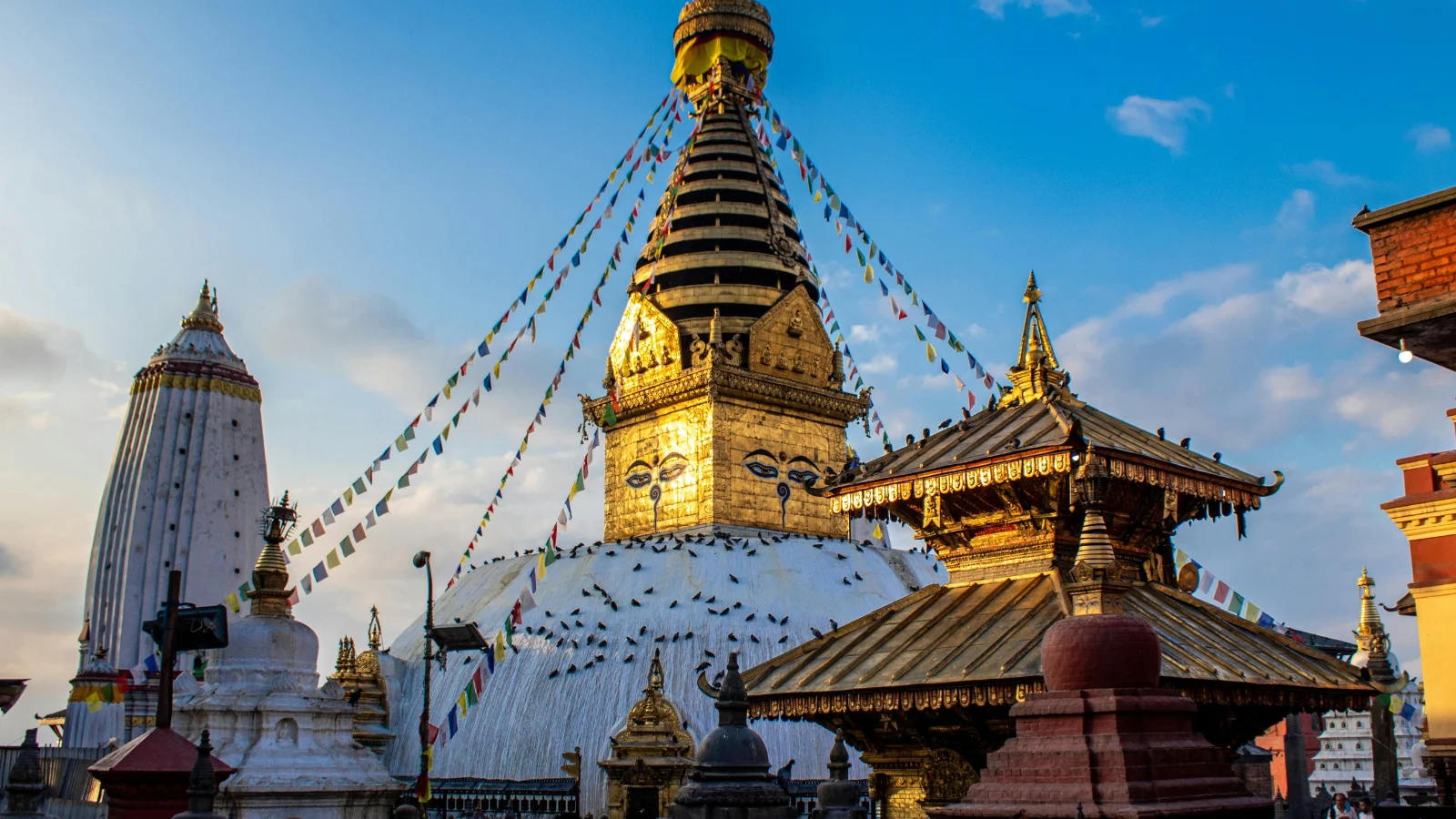
Swayambhunath Stupa is one of the most recognised Buddhist landmarks in Nepal. Located on a hilltop overlooking Kathmandu, the monument is known for its white dome, golden spire, Buddha eyes, and colourful prayer flags.
The complex includes smaller shrines, monasteries, statues, and religious structures. Visitors can walk around the stupa, observe pilgrims spinning prayer wheels, and learn about Buddhist traditions. The hilltop also offers panoramic views of Kathmandu Valley, particularly on clear days.
Swayambhunath is commonly known as the Monkey Temple because monkeys live around the complex. It is an important destination for understanding the relationship between Hindu and Buddhist traditions in Nepal.
3.3 Pashupatinath Temple
Pashupatinath Temple is one of the most sacred Hindu pilgrimage destinations in Nepal. Located beside the Bagmati River, the temple is dedicated to Lord Shiva and attracts pilgrims from Nepal, India, and other countries.
The main temple features traditional pagoda-style architecture, beautifully decorated wooden elements, and a richly designed roof. The wider complex includes smaller shrines, religious monuments, and cremation ghats along the riverbanks.
Non-Hindu visitors can explore designated areas of the Pashupatinath complex, although entry to the main temple sanctuary is restricted to Hindus. Visitors can admire the temple architecture from permitted viewpoints, observe traditional religious activities, and learn about Hindu beliefs and customs.
3.4 Boudhanath Stupa
Boudhanath Stupa is one of the largest spherical stupas in Nepal and an important centre of Tibetan Buddhist culture. Its large white dome, golden tower, Buddha eyes, and colourful prayer flags make it one of the most distinctive landmarks in Kathmandu.
The surrounding area is known for its monasteries, traditional shops, Tibetan restaurants, and Buddhist cultural atmosphere. Visitors can walk clockwise around the stupa, spin prayer wheels, observe local pilgrims, and explore nearby monasteries.
Boudhanath is particularly beautiful during the morning and evening, when local residents and pilgrims gather around the stupa for prayer and religious activities. Rooftop cafés also provide excellent views of the monument.
3.5 Patan Durbar Square
Patan Durbar Square is located in Lalitpur, south of central Kathmandu. It is famous for its traditional Newari architecture, ancient temples, stone sculptures, and artistic craftsmanship.
The square was an important royal centre during the Malla period. Its major attractions include Krishna Temple, Patan Museum, the Royal Palace complex, and traditional courtyards. The area is also known for metalwork, wood carving, stone sculptures, and traditional handicrafts.
Patan is an excellent destination for travellers interested in Nepalese art and architecture. Visitors can explore its historic monuments and nearby streets to discover local workshops and traditional Newari culture.
3.6 Bhaktapur Durbar Square
Bhaktapur Durbar Square is situated in the historic city of Bhaktapur, east of Kathmandu. It is one of the most impressive heritage destinations in the valley, known for its traditional Newari settlements, ancient temples, royal courtyards, and carved wooden structures.
Important attractions include the 55-Window Palace, Golden Gate, Nyatapola Temple, and nearby Pottery Square. Visitors can explore the traditional streets, observe local pottery-making, and experience the city's distinctive cultural atmosphere.
Bhaktapur is especially interesting for visitors who want to understand traditional Newari lifestyle, architecture, food, and craftsmanship.
3.7 Changu Narayan Temple
Changu Narayan Temple is located on a hilltop near Bhaktapur and is regarded as one of the oldest Hindu temple complexes in the Kathmandu Valley. Dedicated to Lord Vishnu, the temple is famous for its traditional pagoda-style architecture, stone sculptures, and historical inscriptions.
The complex contains important examples of ancient Nepalese art and religious craftsmanship. Its peaceful surroundings and historic significance make it a worthwhile destination for travellers interested in the early history of the Kathmandu Valley.
Changu Narayan can be combined with Bhaktapur sightseeing as part of an extended heritage tour.
4. Best Kathmandu Heritage Tour Itinerary
The best Kathmandu heritage tour itinerary depends on your available time and the number of attractions you want to visit. A full-day tour is ideal for exploring the four major heritage sites within Kathmandu, while a two-day itinerary allows you to discover additional destinations in Patan and Bhaktapur.
4.1 One-Day Kathmandu Heritage Tour
Duration: Approximately 7–9 hours | Private guided sightseeing
Route: Kathmandu Durbar Square → Swayambhunath → Pashupatinath → Boudhanath
Morning: Kathmandu Durbar Square
Start your cultural journey at Kathmandu Durbar Square. Explore the historic palace complex, traditional temples, royal courtyards, and Newari architecture. Visit important attractions such as Hanuman Dhoka and Kumari Ghar while learning about the royal history and cultural traditions of Kathmandu. You can also explore the surrounding streets to observe traditional shops and local activities.
Late Morning: Swayambhunath Stupa
Continue to Swayambhunath Stupa, situated on a hill overlooking Kathmandu. Explore the Buddhist complex, observe prayer rituals, and learn about the religious significance of the monument. The hilltop location provides beautiful views of the Kathmandu Valley and is a popular place for photography and cultural exploration.
Afternoon: Pashupatinath Temple
After lunch, visit Pashupatinath Temple, an important Hindu pilgrimage site dedicated to Lord Shiva. Explore the permitted areas of the complex, admire the traditional temple architecture, and observe religious activities along the Bagmati River. Your guide can explain the cultural importance of the temple and the Hindu traditions practised here.
Late Afternoon: Boudhanath Stupa
Finish the day at Boudhanath Stupa. Walk around the large Buddhist monument, observe local pilgrims, explore nearby monasteries, and enjoy the peaceful atmosphere. You can also visit a rooftop café overlooking the stupa before returning to your hotel.
The order of sightseeing may change according to traffic, site opening arrangements, and your preferred starting time.
4.2 Two-Day Kathmandu Valley Heritage Tour
Duration: 2 days | Extended cultural experience
A two-day Kathmandu Valley heritage tour is recommended for travellers who want to explore more historical attractions without rushing. It combines the major heritage sites of Kathmandu with the traditional royal squares of Patan and Bhaktapur.
Day 1: Kathmandu Heritage Sites
- Kathmandu Durbar Square
- Swayambhunath Stupa
- Pashupatinath Temple
- Boudhanath Stupa
Spend the first day exploring the historical and religious attractions of Kathmandu. Learn about ancient royal traditions, Buddhist philosophy, Hindu beliefs, and traditional architecture while visiting the city's major heritage monuments.
Day 2: Patan and Bhaktapur Heritage Sites
- Patan Durbar Square
- Patan Museum
- Bhaktapur Durbar Square
- Nyatapola Temple
- Pottery Square
- Changu Narayan Temple, if time permits
Begin the second day in Patan, where you can explore traditional courtyards, temples, museums, and local handicraft areas. Continue to Bhaktapur to discover its historic royal square, traditional settlements, and pottery-making culture. If the schedule allows, add Changu Narayan Temple to complete your wider Kathmandu Valley heritage experience.
4.3 Half-Day Kathmandu Cultural Tour
Duration: Approximately 3–4 hours | Short private experience
The half-day Kathmandu cultural tour is suitable for visitors with limited time. It focuses on two major attractions, offering a short introduction to Nepalese history and religious traditions.
Suggested route: Kathmandu Durbar Square → Swayambhunath Stupa
Explore the historic palace complex, ancient temples, and traditional Newari architecture at Kathmandu Durbar Square. Then continue to Swayambhunath to discover its Buddhist monuments, prayer flags, and hilltop viewpoints. This itinerary is suitable for travellers with a short stopover or those who prefer a shorter sightseeing experience.
4.4 Luxury Private Kathmandu Heritage Tour
Duration: Full day or customised | Premium private experience
A luxury private Kathmandu heritage tour offers a comfortable and personalised way to explore Nepal's cultural attractions. It is suitable for couples, families, small groups, and international visitors who prefer premium transportation, private guiding, and flexible sightseeing.
The experience can include a premium private vehicle, an experienced English-speaking cultural guide, customised sightseeing arrangements, and selected dining experiences. Travellers can also request additional activities such as traditional Newari food experiences, visits to local craft workshops, heritage walks, and museum visits. The itinerary can be adjusted according to personal interests and available time.
5. Kathmandu Heritage Tour Package Options
You can choose a heritage tour based on the number of days available and the attractions you want to explore.
| Tour package | Duration | Main sightseeing |
| Kathmandu Half-Day Heritage Tour | 3–4 hours | Kathmandu Durbar Square and Swayambhunath |
| Kathmandu Full-Day Heritage Tour | 7–9 hours | Four major Kathmandu heritage sites |
| Kathmandu Two-Day Heritage | 2 days | Kathmandu, Patan and Bhaktapur |
| Kathmandu Luxury Private Tour | 1–2 days | Personalised cultural sightseeing |
These are suggested tour formats. The final itinerary can be customised according to your interests, group size, starting point, and preferred services.
6. Best Time for a Kathmandu Heritage Tour
Kathmandu can be explored throughout the year, but autumn (September to November) and spring (March to May) are generally comfortable seasons for cultural sightseeing. During autumn, the weather is often pleasant after the monsoon, making it enjoyable to walk around historic squares, temples, and stupas. Spring brings warmer temperatures and colourful surroundings, creating good conditions for exploring the city's cultural attractions.
Winter (December to February) is also suitable for a Kathmandu heritage tour, although mornings and evenings can be chilly. Daytime sightseeing is generally comfortable with suitable clothing. Summer and monsoon (June to August) bring warmer temperatures, humidity, and occasional rainfall. Visitors travelling during this period should carry an umbrella or rain jacket and allow extra time for traffic and wet roads. Since most heritage attractions remain accessible throughout the year, you can plan your tour according to your travel dates and interests.
7. Kathmandu Heritage Tour Cost
The cost of a Kathmandu heritage tour depends on the duration, number of travellers, transportation arrangements, guide services, entrance fees, and additional experiences. A half-day tour generally requires fewer services and less time than a full-day or two-day private experience.
The cost may also vary depending on the type of vehicle, accommodation requirements for extended tours, meal arrangements, and whether entrance tickets are included. Luxury private tours may involve premium transportation and additional personalised services.
For an accurate quotation, contact Nepal Lion Tours with your preferred travel date, group size, and tour duration. The team can help prepare a customised itinerary and provide details of the services included in your selected package.
8. What Is Included in a Kathmandu Heritage Tour?
The inclusions depend on the selected package and the services confirmed at the time of booking.
Possible inclusions:
- Private vehicle for sightseeing and transfers.
- Experienced English-speaking local guide.
- Hotel pickup and drop-off, where included.
- Sightseeing according to the confirmed itinerary.
- Flexible stops for photography and cultural exploration.
- Personalised arrangements for private groups.
Possible exclusions:
- Entrance fees to heritage sites and museums, unless specified.
- Meals and drinks.
- Personal expenses and shopping.
- Tips for guides and drivers.
- Travel insurance.
- Additional activities not mentioned in the confirmed package.
9. Cultural Experiences to Enjoy During Your Kathmandu Heritage Tour
A heritage tour is not limited to visiting historical monuments. Kathmandu offers several opportunities to experience local traditions, cultural practices, and traditional Nepalese lifestyles.
9.1 Explore Traditional Newari Architecture
The Kathmandu Valley is famous for its Newari architecture, featuring carved wooden windows, decorated doors, brick buildings, and pagoda-style temples. Walking through the historic streets of Kathmandu, Patan, and Bhaktapur provides an opportunity to appreciate these traditional designs.
9.2 Experience Hindu and Buddhist Traditions
Kathmandu is an important centre of both Hinduism and Buddhism. At Pashupatinath, visitors can learn about Hindu religious practices, while Boudhanath and Swayambhunath offer opportunities to observe Buddhist traditions. These sacred places demonstrate the religious diversity of the Kathmandu Valley.
9.3 Discover Traditional Newari Food
Traditional Newari cuisine is an important part of the valley's cultural identity. Visitors can try local dishes such as bara, yomari, chatamari, and traditional Newari set meals. Patan and Bhaktapur are particularly interesting places to explore traditional food and local dining experiences.
9.4 Visit Local Handicraft Shops
Kathmandu, Patan, and Bhaktapur are known for traditional handicrafts, including metalwork, wood carving, pottery, paintings, and handmade souvenirs. Visiting local shops and workshops gives travellers a better understanding of the craftsmanship behind Nepalese cultural products.
9.5 Observe Local Festivals and Traditions
Kathmandu celebrates numerous religious and cultural festivals throughout the year. Depending on your travel dates, you may experience celebrations such as Indra Jatra, Bisket Jatra, Gai Jatra, or other traditional festivals. Festival schedules vary annually, so check local dates when planning your visit.
10. Travel Tips for Kathmandu Heritage Sightseeing
Before starting your Kathmandu cultural tour, consider these practical tips:
- Wear comfortable shoes: Heritage sites include stone paths, courtyards, steps, and narrow traditional streets.
- Dress respectfully: Choose modest clothing when visiting temples, monasteries, and religious sites.
- Follow photography rules: Some temples and religious areas restrict photography. Always check before taking pictures.
- Respect local traditions: Follow signs and instructions at religious sites. Walk clockwise around Buddhist stupas.
- Carry some cash: Small shops and local vendors may prefer cash payments.
- Allow extra travel time: Traffic in Kathmandu can be busy, particularly during morning and afternoon hours.
- Stay hydrated: Carry drinking water, especially during warmer months.
- Check entrance fees: Heritage site entry fees and arrangements may change, so confirm current details before travelling.
- Follow your guide's instructions: Respect local customs and observe religious ceremonies from permitted areas.
11. Why Choose Nepal Lion Tours for Your Kathmandu Heritage Tour?
Exploring Kathmandu with a knowledgeable local guide can make your cultural journey more meaningful. Nepal Lion Tours can arrange private sightseeing experiences for international visitors, with itineraries designed around available time, personal interests, and preferred comfort levels.
Whether you want to explore the four major heritage sites in one day, discover the wider Kathmandu Valley over two days, or enjoy a luxury private cultural experience, the itinerary can be customised to your travel plans.
Private transportation and guided sightseeing can make it easier to visit the major attractions while learning about Nepal's history, traditional architecture, religion, and local lifestyle. You can also request additional cultural activities, local food experiences, and visits to traditional handicraft areas.
12. Book the Best Kathmandu Heritage Tour with Nepal Lion Tours
Discover Nepal's rich history, traditional architecture, and spiritual heritage with the Best Kathmandu Heritage Tour. From the ancient royal courtyards of Kathmandu Durbar Square to the sacred atmosphere of Pashupatinath and the peaceful surroundings of Boudhanath, every destination offers a unique cultural experience.
Explore the UNESCO World Heritage Sites of Kathmandu Valley with a knowledgeable local guide and enjoy a private sightseeing experience designed around your interests. Whether you prefer a half-day introduction, a full-day cultural journey, or an extended two-day heritage tour, Nepal Lion Tours can help arrange an itinerary that suits your travel schedule.
Contact Nepal Lion Tours today to plan your Kathmandu Heritage Tour and experience the cultural heart of Nepal.
Frequently Asked Questions
Q. 1. What is the best Kathmandu heritage tour?
+
A full-day private tour covering Kathmandu Durbar Square, Swayambhunath, Pashupatinath, and Boudhanath is a popular option for first-time visitors. It introduces travellers to the city's royal history, Hindu traditions, Buddhist culture, and traditional architecture.
Q. 2. How many UNESCO World Heritage Sites are there in Kathmandu Valley?
+
Kathmandu Valley has seven monument zones within one UNESCO World Heritage property. These include three historic Durbar Squares, two Buddhist stupas, and two important Hindu temple complexes.
Q. 3. Can I visit all seven UNESCO heritage sites in one day?
+
Visiting all seven monument zones in one day is not recommended because they are spread across the Kathmandu Valley and require considerable travel and sightseeing time. A two-day or longer itinerary is more comfortable.
Q. 4. How many days are enough for a Kathmandu heritage tour?
+
One day is suitable for exploring the four major heritage sites within Kathmandu. Two days allow you to include Patan and Bhaktapur, while an additional day can provide more time for Changu Narayan and other cultural experiences.
Q. 5. Can non-Hindus visit Pashupatinath Temple?
+
Yes, non-Hindu visitors can visit the wider Pashupatinath Temple complex and explore designated areas. However, entry to the main temple sanctuary is restricted to Hindus. International visitors can admire the temple architecture from permitted viewpoints and learn about Hindu traditions along the Bagmati River.
Q. 6. Is Kathmandu Heritage Tour suitable for families?
+
Yes. Families can explore historic squares, temples, stupas, and traditional settlements together. A private itinerary can be adjusted according to the group's interests, walking preferences, and available time.
Q. 7. Is a private guide necessary for Kathmandu heritage sites?
+
A private guide is not compulsory, but it is recommended for visitors who want to understand the historical and religious significance of the monuments. A local guide can explain traditional architecture, cultural customs, and the stories associated with each attraction.
Q. 8. What is the best time to visit Kathmandu heritage sites?
+
Autumn (September to November) and spring (March to May) are generally comfortable seasons for sightseeing. However, Kathmandu's heritage attractions can be visited throughout the year.
Q. 9. What should I wear when visiting Kathmandu temples and stupas?
+
Comfortable walking shoes and modest clothing are recommended. Some religious sites require visitors to remove their shoes before entering specific areas. Follow local instructions and posted signs.
Q. 10. Can I include Patan and Bhaktapur in my Kathmandu heritage itinerary?
+
Yes. Both destinations can be included in an extended Kathmandu Valley cultural tour. A two-day itinerary is generally recommended to explore their historic squares, temples, museums, and traditional streets comfortably.
Q.
+
Entrance fees depend on the selected package. Some arrangements include heritage site tickets, while others charge them separately. Confirm the inclusions with your tour operator before booking.
Q. 12. Can I customise my Kathmandu Heritage Tour?
+
Yes. A private tour can be customised according to your preferred destinations, available time, group size, transportation requirements, and cultural interests.
Admin
A passionate explorer and writer dedicated to sharing authentic stories, local insights, and expert travel guides from the heart of the Himalayas.

No comments yet
Be the first to share your thoughts and experiences on this story!