Jiri to Everest Classic Trek — 22 Days | Nepal Lion Tours
A Classic Himalayan Journey from Historic Jiri to Everest Base Camp
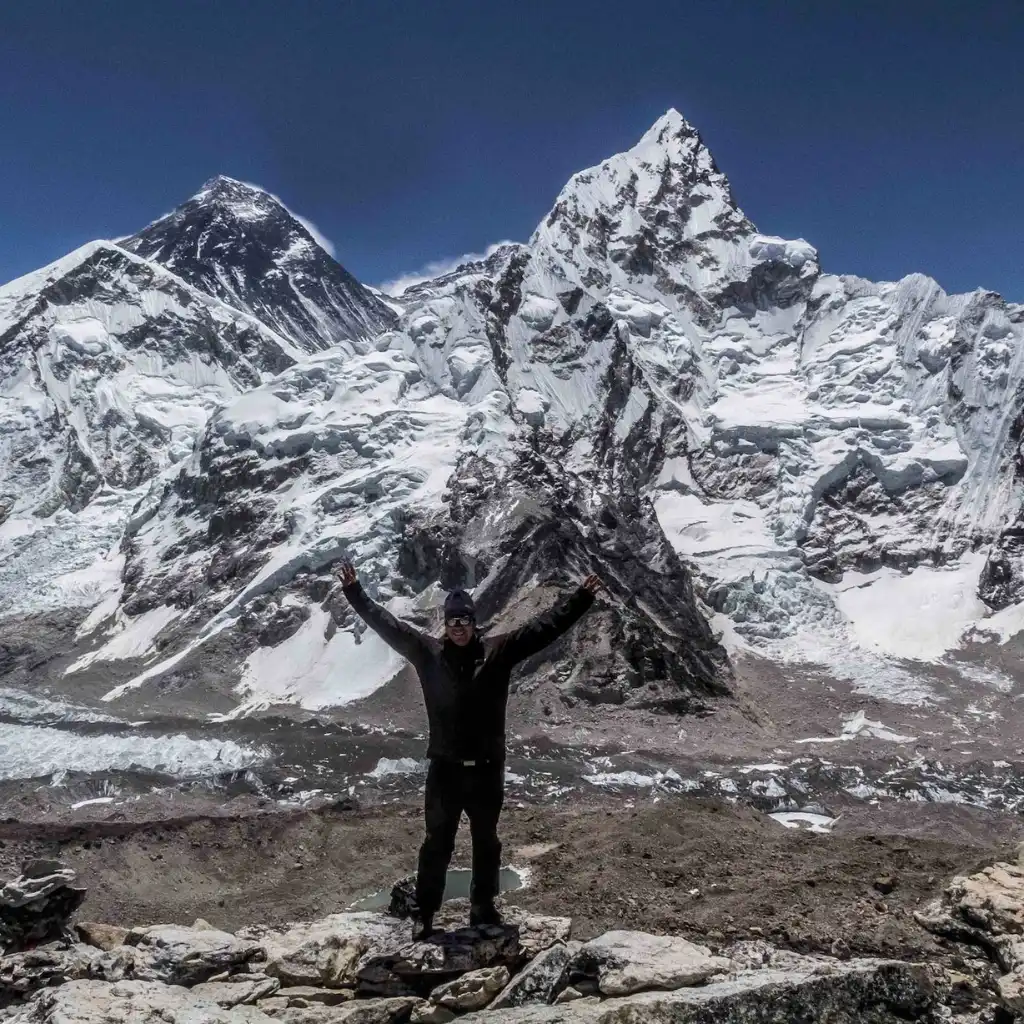


Tour Highlights
The Jiri to Everest Classic Trek is the complete Everest story in one route:
- The 1953 trailhead at Jiri: Setting off from the town where Hillary and Tenzing’s expedition began the first ascent of Everest.
- Lamjura Pass — 3,530 m / 11,578 ft: The highest point between Jiri and Namche, crossing the Solu highlands through rhododendron forest.
- Junbesi and Thubten Chhuling: One of the great Sherpa monasteries of Nepal, with its traditional art school at Phugmochhe.
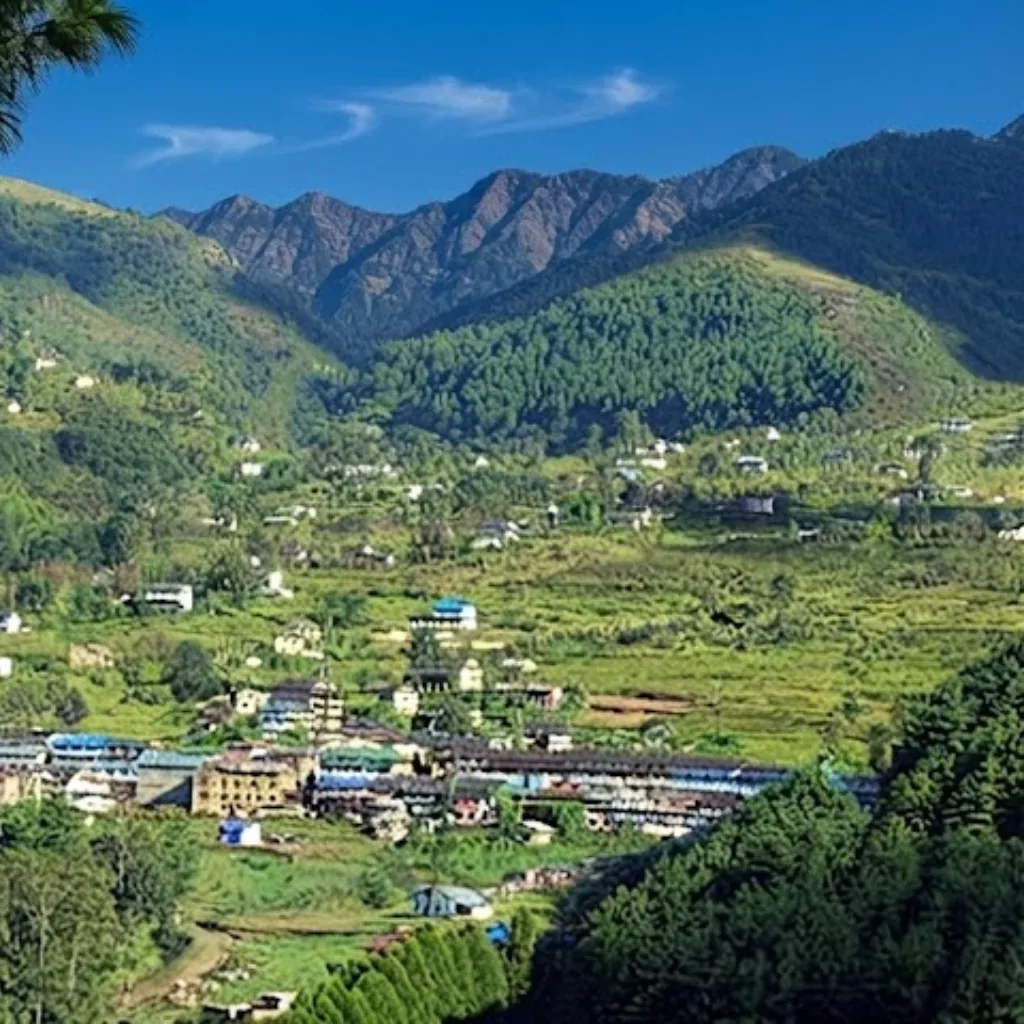
- Untouched Solu villages: Rai and Sherpa farming communities, terraced fields and daily life far from the trekking crowds.
- Namche Bazaar — 3,440 m / 11,286 ft: The cultural capital of the Khumbu, reached the long way across the Solu highlands.
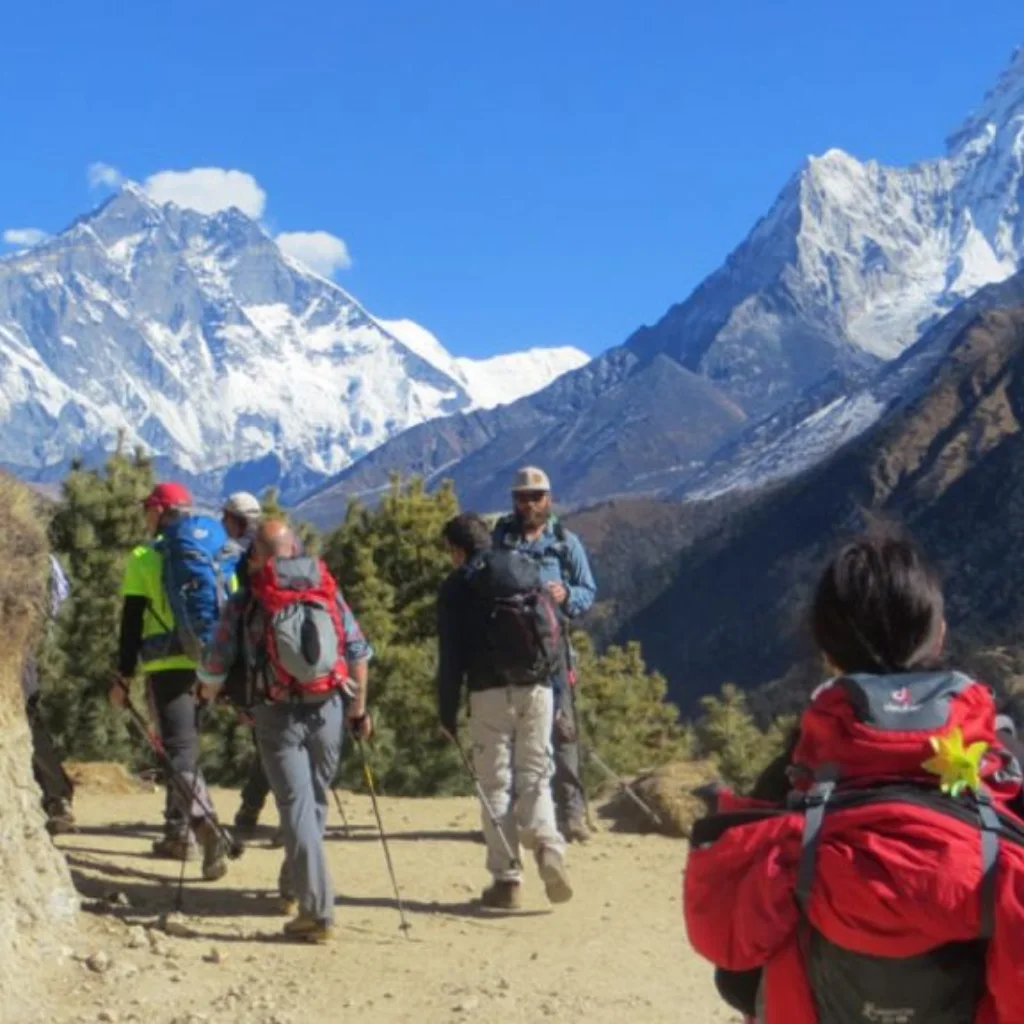
- Tengboche Monastery — 3,870 m / 12,697 ft: The region’s most important Buddhist monastery, backed by Ama Dablam.
- Everest Base Camp — 5,364 m / 17,598 ft: Standing on the moraine at the foot of the world’s highest mountain.
- Kala Patthar — 5,545 m / 18,192 ft: The famous sunrise viewpoint facing the full north face of Everest.
- The climbers’ memorials at Chupki Lhara: Ridge of prayer flags honouring those who died on Everest, including Scott Fischer and Babu Chiri Sherpa.
- Kathmandu Valley sightseeing: Pashupatinath, Bouddhanath, Swayambhunath and Durbar Square on Day 2.
Jiri to Everest Classic Trek Overview
The Jiri to Everest Classic Trek is the original trek to Mount Everest — a 22-day journey along the historic route walked by the 1953 British Everest Expedition of Sir Edmund Hillary and Tenzing Norgay. It begins at the hill town of Jiri, where the mountain pioneers set off, climbs the Solu highlands across Lamjura Pass before joining the classic Khumbu route at Namche Bazaar, and finishes at Everest Base Camp (5,364 m) and the sunrise viewpoint of Kala Patthar (5,545 m).
The journey starts in Kathmandu with a valley sightseeing day, then a scenic 8–9 hour road journey to Jiri (2,370 m). From there the walking route crosses remote Sherpa and Rai villages, the Lamjura Pass (3,530 m) and the beautiful Junbesi valley before entering the Everest region proper past Lukla and Namche Bazaar. After acclimatizing at Namche, the classic Khumbu trail continues through Tengboche, Dingboche and Lobuche to Gorak Shep, Everest Base Camp and Kala Patthar, before the descent and a flight back from Lukla.
With Nepal Lion Tours, the package starts from USD 2,327.50 per person, including the Kathmandu–Jiri road transfer, the Lukla–Kathmandu flight, licensed English-speaking guide, porter, teahouse accommodation, meals on the trail, all required permits, three Kathmandu hotel nights and a cultural welcome or farewell dinner.
What Makes the Jiri to Everest Classic Trek Special?
This is the route before the airport. The Jiri approach is how every Everest expedition and trekker reached the Khumbu until the Lukla airstrip was built — and it is still the most atmospheric way to arrive. Trekking from Jiri through Junbesi to Namche adds a complete cultural dimension the fly-in treks miss: Rai and Sherpa farm villages, the great Thubten Chhuling monastery, rhododendron forests and the Solu highlands that most Everest visitors never see.
The trek also handles altitude the way the pioneers did. Starting at 2,370 m and climbing gradually over more than a week — rather than flying straight to 2,860 m Lukla — gives your body a natural, progressive acclimatization period that many experienced trekkers find easier than the standard fly-in route.
Why Choose the Jiri to Everest Classic Trek?
For trekkers seeking the complete Everest experience, the Jiri route is the definitive version. It combines the historic 1953 trailhead, the cultural Solu region, the classic Khumbu highlights — Namche, Tengboche, Everest Base Camp and Kala Patthar — and a flight-free arrival that turns the trek into a genuine expedition journey rather than a checklist fly-and-walk.
It is also a cost-smart classic: the road journey to Jiri is far cheaper than a Lukla flight, and the return flight is already included. The extra walking days are some of the quietest and most rewarding of the entire Himalaya, and the three free Kathmandu hotel nights with sightseeing make it a complete package.
Who Is This 22-Day Jiri to Everest Trek Suitable For?
The Jiri to Everest Classic Trek is a good choice for:
- Trekkers who want the original Everest trail with its history and culture
- Those with 3 weeks or more of holiday who want the fullest Khumbu experience
- Trekkers who prefer progressive acclimatization over flying straight to altitude
- Experienced trekkers and adventurous fit first-timers alike
- Travellers who want quieter, more cultural trails before the busy Khumbu
- Those building a complete Nepal trip — the itinerary already includes Kathmandu sightseeing
The trek is graded moderate-to-strenuous and involves two weeks of sustained walking with a high-altitude finale above 5,000 m — but the gradual Jiri approach makes it accessible to well-prepared trekkers who might find the fly-in version harder. A good base fitness level, comfort with basic teahouse conditions and respect for altitude are all you need.
Guide’s Note — Nepal Lion Tours “In our experience, trekkers who fly to Lukla often feel the altitude their first night, simply because the drop from Kathmandu is so fast. The Jiri route gives your body a week of gentle climbing before you ever reach Namche — and trekkers consistently tell us they feel stronger arriving at Base Camp this way than the groups that flew in.” — Our leading trekking guides, Nepal Lion Tours
Quick Facts
| Trek Fact | Details |
|---|---|
| Trek Name | Jiri to Everest Classic Trek |
| Duration | 22 days / 21 nights |
| Region | Everest (Solu–Khumbu), Koshi, Nepal |
| Maximum Altitude | 5,545 m / 18,192 ft at Kala Patthar; Everest Base Camp at 5,364 m / 17,598 ft |
| Difficulty | Moderate to Strenuous |
| Main Highlight | The original 1953 trekking route from Jiri to Everest Base Camp and Kala Patthar |
| Start / End | Kathmandu to Kathmandu (road to Jiri, flight back from Lukla) |
| Route | Kathmandu – Jiri – Bhandar – Sete – Junbesi – Nunthala – Bupsadanda – Surkhe – Phakding – Namche – Tengboche – Dingboche – Lobuche – Gorak Shep – Everest Base Camp – Pheriche – Namche – Lukla – Kathmandu |
| Typical Walking | 3–9 hours per day, with acclimatization days at Junbesi and Namche |
| Best Season | Spring (Mar–May) and Autumn (Sep–Nov) |
| Price From | USD 2,327.50 per person (group discounts available) |
| Accommodation | Teahouse lodges throughout, hotels in Kathmandu |
| Guide | Licensed English-speaking trekking guide + porter |
Jiri to Everest Classic Trek Route and Elevation
The route is a two-part journey: the historic Solu approach by foot from Jiri, then the classic Khumbu circuit from the Everest region proper. It is a one-way route — walking in through the Solu hills to join the main Everest trail near Lukla, continuing to Base Camp, and flying back from Lukla.
The itinerary deliberately builds altitude in a long, gentle arc: the Solu crossing (Days 3–11) stays mostly between 2,000 m and 3,500 m, so the higher Khumbu stages are entered fully acclimatized.
Jiri to Everest Classic Trek Route at a Glance
| Day | Trek Route | Altitude | Highlights |
|---|---|---|---|
| 1 | Kathmandu arrival | 1,400 m / 4,593 ft | Hotel, guide meeting, trip briefing |
| 2 | Kathmandu Valley sightseeing | 1,400 m / 4,593 ft | Pashupatinath, Bouddhanath, Swayambhunath, Durbar Square |
| 3 | Drive Kathmandu → Jiri | 2,370 m / 7,774 ft overnight | 8–9 hr scenic road journey, hill-station town |
| 4 | Jiri → Bhandar | 2,190 m / 7,183 ft overnight | Ridge-top villages, farm fields |
| 5 | Bhandar → Sete | 2,575 m / 8,446 ft overnight | Likhu Khola crossing, rhododendron ascent |
| 6 | Sete → Lamjura Pass → Junbesi | 3,530 m / 11,578 ft high point | Highest point to Namche, monastery village |
| 7 | Rest/acclimatization day at Junbesi | 2,680 m / 8,790 ft overnight | Thubten Chhuling monastery, Phugmochhe |
| 8 | Junbesi → Nunthala | 2,330 m / 7,642 ft overnight | Junbesi Khola, distant Everest views |
| 9 | Nunthala → Bupsadanda | 2,300 m / 7,544 ft overnight | Dudh Koshi crossing, Rai villages |
| 10 | Bupsadanda → Surkhe | ~2,290 m / 7,513 ft overnight | High ridge villages, quiet trails |
| 11 | Surkhe → Chaurikharka → Phakding | 2,610 m / 8,563 ft overnight | Lukla airstrip, join main Everest trail |
| 12 | Phakding → Namche Bazaar | 3,440 m / 11,286 ft overnight | Dudh Koshi bridges, Monjo park gate, Namche Hill |
| 13 | Acclimatization day at Namche | 3,440 m overnight | Visitor centre, Sherpa culture, day walk |
| 14 | Namche → Tengboche | 3,870 m / 12,697 ft overnight | Everest/Ama Dablam views, monastery |
| 15 | Tengboche → Dingboche | 4,360 m / 14,304 ft overnight | Imja Valley, first high-altitude village |
| 16 | Dingboche → Duglha | 4,600 m / 15,092 ft overnight | 1953 expedition campsite, Pumori views |
| 17 | Duglha → Lobuche | 4,940 m / 16,207 ft overnight | Khumbu Glacier, climbers’ memorials |
| 18 | Lobuche → Gorak Shep → Everest Base Camp | 5,364 m / 17,598 ft high point | Khumbu moraine, Base Camp tents |
| 19 | Gorak Shep → Kala Patthar → Pheriche | 5,545 m / 18,192 ft high point | Pre-dawn Everest sunrise, descent to 4,371 m |
| 20 | Pheriche → Namche Bazaar | 3,440 m / 11,286 ft overnight | Retrace via Tengboche, Kyangjuma lunch |
| 21 | Namche → Lukla | 2,860 m / 9,383 ft overnight | Final trail day through Sherpa villages |
| 22 | Fly Lukla → Kathmandu, departure | 1,400 m / 4,593 ft | Morning flight, free Thamel afternoon |
Jiri to Everest Classic Trek Elevation Profile
The elevation profile is deliberately different from the fly-in treks — it is a long, gradual staircase. From Jiri at 2,370 m, the route stays in the foothills with a single high crossing at Lamjura Pass (3,530 m) before dropping into the Solu valleys, then climbs steadily from Phakding (2,610 m) through Namche (3,440 m), Tengboche (3,870 m), Dingboche (4,360 m), Lobuche (4,940 m) and Gorak Shep (5,164 m) to the high points of Kala Patthar (5,545 m) and Everest Base Camp (5,364 m).
That week of gentle foothill walking before the Khumbu climb is the route’s signature advantage. By the time the altitude becomes serious, you have already spent eight days on the trail, letting the body adapt naturally — which is why many trekkers describe the Jiri approach as physically easier at the top than the fly-in route despite being much longer.
How to Get to the Jiri to Everest Classic Trek
The Jiri to Everest Classic Trek starts with an 8–9 hour scenic road journey from Kathmandu to Jiri, the historic Everest trailhead, then a flight back from Lukla to Kathmandu at the end. Both are arranged as part of the package, so the logistics are handled end to end.
Kathmandu to Jiri: The Historic Road Journey
From Kathmandu you travel by private or tourist bus/jeep east toward the Solu hills. The road climbs through the terraced valleys of Dolakha to Jiri (2,370 m), a small hill-station town ringed by farmland — a lively, genuinely Nepali place where the trek begins.
| Option | Approx. Travel Time | Best For |
|---|---|---|
| Private jeep Kathmandu → Jiri | ~8–9 hours | Flexible departure, most comfortable |
| Tourist bus Kathmandu → Jiri | ~9–10 hours | Budget-conscious travellers |
Lukla to Kathmandu: The Return Flight
The trek ends with the classic Lukla–Kathmandu mountain flight (25–35 minutes), included in the price. Lukla flights run mainly in the early morning when weather is calmest. During peak seasons some return schedules operate via Ramechhap (Manthali) with a short road transfer arranged by the team.
Guide’s Note — Nepal Lion Tours “The road to Jiri is the real beginning of this trek, and in our experience it deserves the same preparation as the passes — an early start, comfortable clothes and a camera by the window. Once the walking starts, the Solu section is gentle enough to find your rhythm, and that rhythm carries you all the way to Base Camp.” — Our leading trekking guides, Nepal Lion Tours
Jiri to Everest Classic Trek Difficulty, Fitness & Altitude
The Jiri to Everest Classic Trek is graded moderate to strenuous. Its defining feature is length rather than steepness — this is a 22-day expedition-scale trek with a high-altitude finale above 5,000 m. There is no technical climbing, but the accumulation of two-plus weeks of walking, the long Solu ridges and the cold mornings at Gorak Shep all demand genuine fitness and preparation.
The difficulty builds in a curve. The Solu section (Days 3–11) is comfortable foothill walking with one real climb — Lamjura Pass (3,530 m). The Khumbu section (Days 12–19) is where effort and altitude combine: Namche Hill, the Tengboche climb, and the two big altitude days reaching Kala Patthar (5,545 m) and Everest Base Camp (5,364 m). Because the Solu week acclimatizes you gradually, most trekkers find this route’s high-altitude days more comfortable than the same days on a fly-in itinerary.
Where the Effort Actually Is?
- Days 4–6 (the Solu climb): The up-and-down ridge trail from Jiri to Junbesi, with Lamjura Pass the single high point — a long but non-technical day.
- Day 12 (Namche Hill): The steep climb into Namche after the suspension bridges — the first genuine cardiovascular test.
- Day 14 (Tengboche climb): A tough afternoon ascent from Phunki Thunga to the monastery ridge.
- Days 17–18 (to Lobuche and Gorak Shep): Long Khumbu Glacier moraine days above 4,500 m, where the air is thin and the terrain rough.
- Day 19 (Kala Patthar): A steep pre-dawn climb in the cold (-10 to -14 °C) — the single hardest physical moment, followed by the long descent to Pheriche.
The return days (20–21) are long and downhill — hardened knees carry you back to Lukla, which surprises many trekkers.
Guide’s Note — Nepal Lion Tours “Trekkers often worry about the length of this route, but our guides see it differently: the Solu week is where the training happens for the Khumbu. By the time our Jiri groups reach Kala Patthar they are usually the strongest walkers on the ridge — every one of those foothill days has quietly built the legs and lungs for the high finale.” — Our leading trekking guides, Nepal Lion Tours
How to Prepare for the Jiri to Everest Classic Trek
- Build a 10–12 week training block: 3–4 days a week of 60–90 minute walks, hiking or stair climbing
- Do longer weekend hikes (12–18 km) with a loaded 10 kg pack to condition feet, joints and shoulders
- Add strength work for legs and core — the ridge trails, Namche Hill and Kala Patthar all demand it
- Include consecutive-day outings — a 3–4 day hill trek before departure mirrors this trek’s rhythm
- Train the mind: 22 days on the trail rewards patience, routine and resilience more than speed
- Taper the hard training in the final 1–2 weeks and arrive in Kathmandu rested
How Difficult Is the Jiri to Everest Classic Trek Compared with Other Treks?
Within the Everest region, the Jiri route is longer but gentler per day than the classical Base Camp trek — more overall days, with the early week at easy altitudes. It is considerably more demanding than the Everest Panorama Trek (6 days, max 3,880 m), comparable to the Classical EBC Trek (14 days) at its high end, and a softer warm-up to the Everest Three Passes Trek (22 days) than flying straight to Lukla.
For fit trekkers, the Jiri route’s gradual acclimatization often makes the Base Camp finale feel easier than the fly-in version — which is the route’s great selling point.
Altitude, Acclimatization & Safety
Altitude is managed extremely well on this route because of its structure — more days, lower start, and a slow approach to the high Khumbu.
Jiri to Everest Classic Trek Altitude Profile
- Kathmandu — 1,400 m / 4,593 ft: Arrival and sightseeing; rest before the road journey.
- Jiri — 2,370 m / 7,774 ft: The historic trailhead; first night in the hills.
- Bhandar — 2,190 m / 7,183 ft: Night 1 on the trail; gentle introduction.
- Sete — 2,575 m / 8,446 ft: Ridge village in the rhododendron forest.
- Lamjura Pass — 3,530 m / 11,578 ft: The highest point of the Solu crossing.
- Junbesi — 2,680 m / 8,790 ft: Two nights; monastery exploration and acclimatization.
- Namche Bazaar — 3,440 m / 11,286 ft: Two nights; the classic Khumbu acclimatization hub.
- Tengboche — 3,870 m / 12,697 ft: Monastery ridge beneath Ama Dablam.
- Dingboche — 4,360 m / 14,304 ft: The first real high-altitude village.
- Lobuche — 4,940 m / 16,207 ft: High camp above the Khumbu Glacier.
- Gorak Shep — 5,164 m / 16,942 ft: The highest overnight of the route.
- Kala Patthar — 5,545 m / 18,192 ft: The trek’s summit-less high point.
- Everest Base Camp — 5,364 m / 17,598 ft: The glacial objective.
- Pheriche — 4,371 m / 14,341 ft: The descent night after the high days.
How the Body Adapts on the Jiri Route
The Jiri route is essentially acclimatization by design: instead of sudden altitude, it offers a week of climbing between 2,000 m and 3,500 m, then rest days at Junbesi and Namche, then progressively higher Khumbu nights. That natural staircase lets the body generate red blood cells steadily, and most trekkers notice the difference at Gorak Shep.
Walk at a conversational pace, drink consistently, eat full meals and report symptoms honestly. On the high days the guide’s authority on pace and turnaround points is absolute.
Symptoms of Altitude Sickness to Watch For
Mild symptoms, common and usually settling with rest and fluids:
- Headache
- Loss of appetite
- Nausea
- Unusual fatigue or sleepiness
- Dizziness
More concerning symptoms requiring action — stop ascending, seek advice, descend if persistent:
- Headache that worsens despite rest
- Vomiting
- Confusion, difficulty walking or poor coordination
- Shortness of breath even at rest
- Bluish or grey lips or fingertips
At the altitudes of this trek, serious altitude illness is uncommon with proper pacing — and the Jiri route’s gradual structure gives you more safety margin than most.
How Nepal Lion Tours Supports Altitude Safety
- Gradual acclimatization built into the route — a full week of easy-altitude Solu walking before the Khumbu.
- Rest days at Junbesi and Namche for the body to adjust.
- Licensed Everest-region guides carrying a full first-aid kit and altitude protocols.
- Transparent symptom policy: zero pressure to push on; turning back safely is always respected.
- Insurance guidance: coverage for high-altitude trekking to 5,500 m and helicopter evacuation is required for booking.
Best Time to Trek the Jiri to Everest Classic Route
The best seasons for the Jiri to Everest Classic Trek are autumn (September–November) and spring (March–May), when stable weather and clear skies make the Solu passes and the Khumbu viewpoints genuinely spectacular.
| Season | Months | Weather & Trail Conditions | Mountain Views | Overall |
|---|---|---|---|---|
| Autumn | Sep–Nov | Dry, clear post-monsoon air; settled in the high Khumbu | Excellent; crisp mornings | Best overall |
| Spring | Mar–May | Stable, warm lower down; rhododendrons bloom in Solu | Very good; Everest summit season | Highly recommended |
| Winter | Dec–Feb | Cold at 4,500 m+; clear skies; quieter trails | Good but extreme cold | Suitable for prepared trekkers |
| Monsoon | Jun–Aug | Wet trails, leeches in Solu forest, clouds below | Frequently limited | Least suitable |
Autumn — September to November
Autumn is the best overall season. October and November bring dry post-monsoon air, stable weather and the clearest skies of the year — perfect for the Lamjura crossing and the Kala Patthar sunrise. Expect good trail traffic in the Khumbu and book well ahead for the best teahouse rooms.
Spring — March to May
Spring is the second prime season. Days are warm in Solu, rhododendrons colour the forests around Lamjura and Tengboche in April–May, and Kala Patthar mornings are milder than in autumn. April–May also coincides with the Everest summit season, adding expedition activity at Base Camp itself.
Winter — December to February
Winter offers cold, clear and quiet trekking. The Solu section is pleasant by day, but the Khumbu nights at Lobuche and Gorak Shep are genuinely freezing and snow is possible on the high trails. A season for well-equipped, cold-tolerant trekkers.
Monsoon — June to August
Monsoon is the least suitable season. Rain and mud on the Solu forest trails, leeches, heavy cloud on the viewpoints and disruption risk for the Lukla return flight all stack against the trek’s best days.
Which Season Should You Choose?
Choose autumn for the most reliable weather and views. Choose spring for warmer temperatures and flowering rhododendrons. Winter rewards cold-resilient trekkers with empty trails; monsoon is best avoided.
Guide’s Note — Nepal Lion Tours “The two seasons treat this route differently — spring brings the rhododendrons into flower for the whole Solu week, autumn brings the clearest Kala Patthar sunrises. Both are superb, and in our experience the choice usually comes down to whether you would rather hike through blossoms or over crisp, dry trails.” — Our leading trekking guides, Nepal Lion Tours
Jiri to Everest Classic Trek Permits & Regulations
The Jiri to Everest Classic Trek crosses three protected areas, so it carries three permits — this is the one significant difference from the fly-in Everest treks, which need only two. Nepal Lion Tours arranges all three as part of the package.
Jiri to Everest Classic Trek Permits at a Glance
| Requirement | Who Needs It? | Who Arranges It? |
|---|---|---|
| Gaurishankar Conservation Area Permit (GCAP) | Trekkers entering the Solu approach from Jiri | Nepal Lion Tours |
| Sagarmatha National Park Entry Permit | Foreign trekkers entering the park at Monjo | Nepal Lion Tours |
| Khumbu Pasang Lhamu Rural Municipality Permit | All trekkers in the Khumbu | Nepal Lion Tours |
| Licensed trekking guide | Mandatory for foreign trekkers since April 2023 | Included with every Nepal Lion Tours trek |
Fees are based on current Nepali authority information (2026) and can be revised. Confirm the applicable fee and requirements when booking.
Gaurishankar Conservation Area Permit (GCAP)
Because the route walks over the Solu hills from Jiri, it enters the Gaurishankar Conservation Area, a protected region centred on the 7,135 m peak of Gaurishankar. The GCAP costs around NPR 3,000 for foreign nationals and NPR 1,000 for SAARC nationals, and is normally obtained through the Nepal Tourism Board in Kathmandu before the trek begins — it is arranged in advance rather than at the trail boundary, where penalties can apply.
Trekkers who fly directly to Lukla do not need this permit; the Jiri approach specifically does, which is exactly why it is included here.
Sagarmatha National Park Entry Permit
The route enters Sagarmatha National Park, a UNESCO World Heritage Site, through the gate at Monjo on Day 12. The entry permit costs around NPR 3,000 for foreign nationals and NPR 1,500 for SAARC nationals, valid for a single entry and checked by park staff with your passport.
Khumbu Pasang Lhamu Rural Municipality Permit
The Khumbu Pasang Lhamu Rural Municipality fee funds trail maintenance and services across the Everest region and replaces the TIMS card here. It is around NPR 3,000 for foreign nationals and NPR 2,000 for SAARC nationals for the first four weeks, collected along the trail (Lukla or Monjo checkpoint).
Do You Need a Restricted-Area Permit?
No, not for the standard Jiri to Everest route.
The GCAP is a conservation-area entry fee, not a restricted-area (RAP) permit. The classic Jiri–EBC itinerary stays on established trails, so the three permits above are the complete set for this route. Modified itineraries entering restricted valleys, or combining with climbing peaks, would add requirements — the company confirms these before departure.
Who Arranges the Permits?
Nepal Lion Tours arranges all three permits and the licensed guide as part of the trek paperwork. Carry your original passport at all times — it is checked at the park gate near Monjo and again on the trail. Permit fees can be revised and the final charges are confirmed before departure.
Food & Accommodation on the Jiri to Everest Classic Trek
The Jiri to Everest Classic Trek is a teahouse journey on both sections — family-run lodges with communal dining rooms from Bhandar all the way to Gorak Shep. The Solu lodges are authentically basic village guesthouses; the Khumbu lodges follow the established teahouse standard.
Teahouse Accommodation on the Trek
- Rooms: Clean twin bedrooms with wooden beds, blankets and pillows; simple but friendly throughout.
- Bathrooms: Shared by default in most lodges; private attached rooms more common in the big villages.
- Hot showers: Usually a paid extra (solar-heated); scarce and coldest at Gorak Shep.
- Electricity & charging: Available at dinner time; often paid per device and solar-limited at the high stops.
- Dining room: The only warmed room in most lodges — your social and mealtime centre.
- Wi-Fi: Available at many Khumbu teahouses for a fee, strongest in Namche; limited or absent in the Solu villages.
- Bedding: Blankets are standard; Nepal Lion Tours provides a down jacket and all-season sleeping bag for the cold nights.
What Food Is Available on the Trek?
- Dal bhat: The trekking staple — rice, lentils and curry, served with refills traditionally
- Sherpa stew and thukpa: Hearty noodle soups for cold evenings
- Momos: Steamed dumplings, a lodge favourite
- Fried rice, noodles and chow mein: Quick, filling everyday options
- Potatoes, eggs, porridge and pancakes: Common breakfasts and simple meals
- Fresh vegetables: More abundant in the fertile Solu farms than at the high Khumbu stops
- Namche’s bakeries: Cakes, pastries and real coffee — a genuine indulgence
At the high stops of Lobuche and Gorak Shep the menu narrows and dal bhat is the guaranteed energy meal. Vegetarian food is widely available; tell your guide about vegan, gluten-free or allergy needs before departing so lodges ahead can plan.
What Food and Accommodation Are Included?
| Included in the Trek Package | Usually Paid Separately |
|---|---|
| All meals on the trail (breakfast, lunch, dinner plus a daily tea or coffee) | Hot shower fees at teahouses |
| Teahouse accommodation through the trek | Drinks and snacks beyond the daily tea/coffee |
| 3 nights Kathmandu hotel with breakfast + airport transfers | Extra Kathmandu nights and meals |
| Complimentary welcome or farewell dinner in Kathmandu | Souvenirs and shopping |
| Kathmandu–Jiri road transfer + Lukla–Kathmandu flight | Tips for guides and porters |
Exact coverage is confirmed in writing at booking.
Drinking Water on the Trek
Do not drink tap water anywhere. Use boiled, filtered or purified water throughout — teahouses sell bottled and boiled water, and above Dingboche boiled water is the most reliable option. A reusable bottle with purification tablets or a filter is the sustainable approach most trekkers now choose.
Staying Comfortable at Teahouses
- Carry a refillable water bottle and buy/boil water as you go
- Bring a sleeping bag liner inside the provided down sleeping bag for warmth and hygiene
- Pack a power bank, since lodge charging is paid and solar-limited at the high stops
- Keep small denomination cash for showers, Wi-Fi and extra drinks — ATMs exist in Namche but are unreliable above
- Dress in layers for the dining room, which cools sharply once the stove dies down
- Give your guide dietary requirements before departure so lodges can prepare ahead
Why Book with Nepal Lion Tours?
A trek of this length and history deserves a team that runs the route all season — here is what Nepal Lion Tours brings to the Jiri to Everest experience:
- Local, licensed English-speaking guides > Nepal Lion Tours guides are government-licensed and Everest-region specialists — and since 2023 a licensed guide is the legal requirement on this route, not just a comfort.
- A registered trekking company you can verify > Nepal Lion Tours is a registered company based in Kathmandu, and company and licence details are shared with any traveller who wants to verify before booking.
- Private departures and small groups > The trek runs from single trekkers upward with a maximum around 10 — small groups stay flexible, move faster and get rooms more easily at the busy high lodges.
- Proper acclimatization, not a rushed itinerary > The Jiri route’s gradual Solu week, rest days at Junbesi and Namche, and careful high-altitude pacing are what make the Base Camp finale achievable.
- Flights, road transfer, permits and logistics handled end to end > The Kathmandu–Jiri road journey, Lukla return flight, all three permits, transfers, briefings and a porter are all arranged — you receive clear instructions at every step.
- The complete classic package > Three Kathmandu hotel nights with breakfast, valley sightseeing, a cultural welcome or farewell dinner, a porter and a SIM card — nothing essential is stripped from the classic.
- A local team you can contact before and during the trek > WhatsApp support at +977-9851039020 means questions are answered before you land and real-time help is one message away while you are on the trail.
Book the Jiri to Everest Classic Trek
This is the original — the 1953 trailhead at Jiri, the Solu hills, the Khumbu classics and the flight home from Lukla. The complete Everest story, arranged around you.
Trek at a Glance
- Duration: 22 days / 21 nights
- Price: From USD 2,327.50 per person (group discounts from 2 pax; luxury tier available)
- Difficulty: Moderate to Strenuous
- Maximum Altitude: 5,545 m / 18,192 ft at Kala Patthar; Base Camp at 5,364 m / 17,598 ft
- Accommodation: Teahouse lodges, with hotels in Kathmandu
- Meals: All on-trek meals plus a daily tea or coffee, with 3 Kathmandu hotel breakfasts and a complimentary welcome or farewell dinner
- Permits & Registration: Gaurishankar Conservation Area + Sagarmatha National Park + Khumbu Pasang Lhamu municipality fees
- Transportation: Kathmandu–Jiri road transfer, Lukla–Kathmandu flight, private airport transfers
- Guide & Porter: Licensed English-speaking trekking guide plus porter included
- Cancellation: Free cancellation up to 14 days before departure
Ready to Start Your Everest Region Adventure?
Secure your dates via the booking form or reach the team directly on WhatsApp at +977-9851039020 — solo, couple or group, the departure is arranged around you. Group pricing drops to USD 1,978 at 10 or more travellers.
Book the Jiri to Everest Classic Trek, and the team that runs the original Everest trail every season handles everything else.
Related Everest Region Treks
For trekkers planning around the Everest region, these companion itineraries cover every level of time and ambition:
| Trek | Duration | Difficulty | Max Altitude | Best For |
|---|---|---|---|---|
| Everest Panorama Trek | 6 days | Easy–Moderate | 3,880 m / 12,730 ft | The shortest taste of the Khumbu and its views |
| Everest View Trek | 8 days | Moderate | 3,880 m / 12,730 ft | A relaxed panorama trek with extra Khumbu days |
| Everest Base Camp Trek — Classical | 14 days | Strenuous | 5,545 m / 18,192 ft | The classic fly-in Lukla to Base Camp route |
| Gokyo Cho La Pass Everest Base Camp Trek | 15 days | Challenging | 5,357 m / 17,575 ft | Lakes, Cho La pass and EBC in one route |
| Everest Three Passes Trek | 22 days | Challenging | 5,550 m / 18,209 ft | The complete high-altitude Khumbu traverse |
| Pikey Peak Trekking | 7 days | Easy | 4,060 m / 13,320 ft | Flight-free Everest-region views by road |
The Jiri to Everest Classic also combines naturally with Kathmandu sightseeing (already built into the itinerary) or a Chitwan Jungle Safari for travellers building a longer Nepal tour.
Trip Essentials
Packing advice, required equipment & gear recommendations
Essential
Jiri to Everest Classic Trek Packing List
The trek is teahouse-based, but it is the longest and coldest route Nepal Lion Tours operates — a week in the Solu hills followed by Khumbu nights at Lobuche and Gorak Shep demand genuine warmth. Nepal Lion Tours provides the down jacket, all-season sleeping bag, duffel bag and trekking map, plus a nationwide mobile SIM card on arrival.
Hiking Gear
- Daypack (30–40 litre) for water, layers, snacks and camera
- Trekking poles — near-essential for the long descents of Days 9–11 and 20–21
- 2 litre water bottle or hydration bladder with purification tablets
- Headlamp with spare batteries — needed for the pre-dawn Kala Patthar climb
- Dry bags or plastic liners for clothes and electronics
- Sun protection: sunglasses, sun hat, SPF 50+ sunscreen and lip balm
Clothing: Use Layers Rather Than Bulk
Base layers: 2–3 sets of merino or synthetic thermals, plus thermal leggings.
Mid-layers: 1–2 insulating fleeces or a thin down/Primaloft jacket for the cold days.
Outer layers: Waterproof and windproof shell jacket; waterproof over-trousers for rain in the Solu forests and wind above 4,000 m.
Trekking clothes: 3–4 quick-dry trekking trousers and t-shirts — the extra days mean extra changes in the Solu section.
Headwear and gloves: Warm beanie, sun hat, light gloves, and expedition-grade gloves for the Kala Patthar morning.
Footwear: Well-broken-in waterproof boots, plus camp slippers or sandals for the evenings.
Sleeping and Evening Comfort
- Provided all-season sleeping bag + a silk liner for warmth and hygiene
- Down jacket provided; wear it indoors as soon as the sun drops
- Warm socks and sleepwear — the dining room cools sharply after dinner
- Small quick-dry towel
Toiletries and Personal Health Items
- Toiletries: toothbrush, toothpaste, biodegradable soap, hand sanitizer, wet wipes, lip balm, moisturizer (the air above 4,000 m is very dry)
- Personal medication and copies of prescriptions; paracetamol/ibuprofen, blister patches, electrolytes
- Basic cold-and-cough remedies, throat lozenges
- Earplugs for busy teahouse walls and early starts
Electronics
- Phone plus a large power bank (20,000 mAh) — solar charging is scarce above Dingboche
- Camera with spare batteries (cold drains them fast) and spare memory cards
- Universal travel adapter for Nepal’s 3-pin sockets
- Optional e-reader or book for long lodge evenings
- A SIM card is provided on arrival; signals are strongest in Namche and intermittent above
Documents and Money
- Valid passport, valid 6+ months — needed for the park permit checks
- Passport photos for permit processing where required
- Travel insurance certificate covering high-altitude trekking to 5,500 m and helicopter evacuation
- Cash in Nepali rupees for showers, Wi-Fi, drinks, boiled water and tips — withdraw enough in Kathmandu or Namche
- Cards as a backup; keep money and documents dry and on your person
How Much Should You Pack?
Every kilogram gets carried or ported across 22 days of trail, so lighter is better. Your daypack holds what you need while walking — water, layers, snacks, camera — while the duffel with the sleeping bag and spare clothes travels with the porter to each teahouse.
A practical target is a duffel of 10–15 kg for the porter transport plus a daypack of 5–7 kg on your back. With the down jacket, sleeping bag and all-season gear provided, the bulkiest items are already handled.
Read Before You Book
Permits, terms, medical considerations & advisory guidelines
Advisory
What to Know Before Booking
The Jiri to Everest Classic Trek rewards planning. Here are the key points to understand before you book.
Accommodation and Facilities
Comfort is genuine in the Khumbu’s bigger villages and authentically basic in the Solu guesthouses and the high Khumbu stops — twin rooms, shared toilets and solar-heated showers are the norm throughout. The provided sleeping bag and down jacket remove the bulk of the cold risk as the route climbs.
Food and Dietary Requirements
Dal bhat is the reliable energy meal and available the entire route. The Solu farms supply more fresh vegetables than the high Khumbu stops, where menus genuinely narrow. Vegetarian is easy throughout; vegan, gluten-free and allergy needs should be given to the team early so lodges can prepare ahead.
Altitude, Health and Insurance
The trek reaches 5,545 m / 18,192 ft, so insurance that covers high-altitude trekking and helicopter evacuation is required for booking. Above Gorak Shep, the only evacuation options are helicopter or medical descent, which is exactly what this cover is for. Declare existing conditions when booking — altitude responses can be unpredictable.
Money and Tipping
Carry enough rupees for teahouse extras, boiled water, hot showers, Wi-Fi and tips. Tipping in Nepal is customary and works out to roughly USD 10–15 per day for a guide and a little less per porter, split among the group at the end. Reward service that matches the standard you experienced — amounts are always at your discretion.
Culture and Responsible Trekking
The route passes through some of Nepal’s most distinctive Buddhist mountain cultures, and the Solu section feels especially authentic:
- Pass mani walls, chortens, gompas and prayer wheels on the right (clockwise) and never sit on mani stones
- Dress modestly around monasteries and villagers; keep voices low near religious sites
- Ask before photographing people, monks or monastery interiors
- Carry out everything you bring in, and use reusable bottles to cut plastic
- Buy local — tea, snacks and crafts at the village lodges keep families and porters in work
Route Options
The Jiri to Everest Classic is the most complete of the Everest region routes — but the same team runs shorter versions. The Everest Panorama Trek (6 days) and Everest View Trek (8 days) are fast fly-in tastes, the Classical EBC Trek (14 days) is the mainstream route, and the Three Passes Trek (22 days) is the harder high-altitude circuit. It is easier to choose the right route at booking than to change mid-trek.
Booking and Before You Arrive
Make sure you understand before booking:
- The Jiri approach is a road + trek journey; the return from Lukla is by flight, weather permitting
- Highway conditions vary — the Kathmandu–Jiri drive can take 8–10 hours depending on road works
- The route requires three permits, all arranged by Nepal Lion Tours
- Food and extra accommodation in Kathmandu beyond the three free nights, plus hot showers and drinks, are not included
- Your passport needs 6+ months of validity and Nepal visa-on-arrival applies to most nationalities
- The full inclusions list is confirmed in writing at booking
A Few Final Tips
Hydrate from the moment you land in Kathmandu, walk at the guide’s conversational pace, and never be shy about telling the team how you feel — every good Everest guide would rather slow down than send anyone home. Save camera batteries for Lamjura Pass, the Tengboche ridge, Kala Patthar and the Solu villages you will not find on any fly-in itinerary. And book your autumn or spring weeks as far ahead as you reasonably can.
Day-by-Day Itinerary
Explore each day's route, trekking elevation, and activities
Upon your arrival in the Kathmandu our representative from Lion Trekking will pick you up to your hotel. After check in you can meet your trekking guide as well as other group participants. The guide will go through the preparations for the trip. Overnight at Hotel
After breakfast we spend a lovely day visiting many of the cultural and world heritage sites in the Kathmandu Valley. We visit the pilgrimage site of Hindus Pashupatinath, we pay a visit to the worlds biggest Stupa at Bouddhanath Stupa and visit Swoyambhunath Stupa one of the oldest religious sites in the valley. After lunch we visit the historical Kathmandu Durbar Square temple complex with unique architecture and home to the Kumari (living goddess).In the evening there is a pre-trip discussion and introduction with our fellow trekking staff before an evening meal at a local restaurant.
After breakfast,this morning we leave Kathmandu by bus to Jiri for our long trek to Everest. We drive through beautiful Nepalese countryside on the way. Jiri is small town and also a hill station, there is time to explore the surrounding area and overnight at the hotel.
Today we start our trek, the trail offers us beautiful country side scenery from one ridge top to another, passing through friendly villagers and farm fields. There are many down and up hills today till we reach small settlement of Bhandar and overnight.We take Dinner in Bhanadar.
After breakfast the trail leads down hill to a small river at Likhu Khola, after crossing the bridge, there is a winding path that leads us to a small village named Kinja where we take lunch. After lunch we ascend a slow long up hill climb passing through numerous farm houses and terraced fields with some excellent views of the surrounding landscape and distant villages before finally reaching Sete, a small Sherpa village situated on the ridge in the middle of the rhododendron forest.
Today there is a gradual climb passing through small scattered farm houses and teahouses and a beautiful rhododendron forest to eventually reach Lamjura Pass which is the highest point between Jiri and Namche Bazaar. The trail then descends through a forest and emerges after one and half hrs at Taktor. We skirt the north side of the valley round a notch before dropping down to the beautiflul Sherpa village of Junbesi for an overnight stop. Time to explore the old monastery and local surroundings.We eat our dinner in Junbesi.
The region around Junbesi is well worth exploring it is a fascinating and interesting Sherpa area. After Beakfast we start exploring Junbesi.There are a variety of alternatives today, a good one is to walk north of Junbesi to the village of Phugmochhe, where there is a traditional Sherpa art centre.On the way a short diversion allows us a visit to Thubten Chhuling, a huge Tibetan Buddhist monastery about one and half hour’s walk from Junbesi. Overnight in a Lodge.
From Junbesi the trail descends and crosses the Junbesi Khola on a wooden bridge. Just beyond the bridge there is a trail junction. The route to Khumbu is to the left and leads uphill. From the top of the hill a distant view of Mt. Everest can be seen on a clear day towards the north east. We trek down past shepherds’ huts into dense forest crossing over several streams on wooden bridges before reaching Nunthala at 2,320m for our overnight stop. Nunthala is an ideal spot to stop.
After breakfast we start trek from Nunthala our path descends down to the Dudhkoshi River Bridge through terraced fields and the yards of small village houses. We continue on through a forest then climb along terraces to reach the Rai village of Jubing (1,667m/5467ft). From Jubing there is a slow climb to a ridge, and then down to the village of Khari Khola before a steep push up to Bupsa.we rest in Bupsadanda and take dinner.
From Bupsa we descend at first and head on to Bhumsing village (2,300m/7544ft) walking north of the valley to reach Puiyan village (2,796m/9170ft). After Puiyan we take a winding trail with a few small ups and downs to Surkhe and overnight.We take dinner in Surkhe.
After breakfast we to climb northwards to Chaurikharka(2,713m/8898ft) a large scattered village with a monastery and a high school. Chaurikharka is known as the breadbasket for the Khumbu area because the land is very fertile and where they grow a lot of barley, wheat and green vegetables. We have a steep climb up to the airstrip at Lukla to join the main Everest trail. After lunch here we trek on towards Phakding, the path is a lot more busy with more trekkers, porters and pack animals after few hours on a good scenic walk we arrive at Phakding and overnight.After Dinner we rest.
After breakfast we will continue up the banks of the Dudh Kosi, crossing it twice by small suspension bridges before reaching the village of Monjo the entrance gate of the Sagarmatha National Park. After entering the park we descend and a gradual walk brings us to a suspension bridge over the Bhote-Koshi river and on to Jorsalle village, the last village before Namche Bazaar. Namche is a prosperous trading town and the capital of the Khumbu Region.After Dinner we rest and ready for next Day.
This trekking day is planned as an acclimatization day to allow yourself some time to adjust to the high altitude. After breakfast,We will plan a day hike for adjustment rather than resting. Namche offers you internet cafes, good restaurants, laundries, with chance to experience Sherpa culture. Our guide will lead you to Tourist Visitor Center where you can get a lot of information regarding Sherpa life along with various plants and animal life of Everest region.Today also we stay in namche bazar after dinner we take rest.
After breakfast we continue our trip on the way you will get good views of Mt. Everest, Nuptse, Lhotse, Ama Dablam and Thamserku on the way before we reach Sansa, the major junction to Gokyo Valley and Everest Base Camp. On reaching Phunki Thunga we take lunch. After lunch there is a tough climb to Tengboche.We reach in tengdoche village and get rest. We stay in lodge and eat dinner.
After breakfast,we start our journey leaving monasteries and villages on the way. Our lunch stop provides a fantastic view of Amadablam said by many to be the most beautiful mountain in Nepal. We cross over Lobuche River before a climb up to Dingboche.We take rest in Dingboche and stay today in Dingboche.We take Dinner and enjoy dingboche nightview.
We climb Duglha through the Khumbu Khola Valley. This provides some fantastic views of mountains on all sides. At a yak herder’s place called Dusa, the valley begins to narrow, we continue on through Phulung Karpo one of the camp sites used during the first successful Everest Expedition in 1953. As we continue our trek, a majestic view of Mt. Pumori (7138 m/ 23418 ft) comes into view,the trail descends to cross a roaring stream before we ascend to Dugla. From here there are views of Mount Nuptse as well as Cholatse, Thamserku, and several other magnificent peaks.We rest in lodge night ,take Dinner and enjoy nightview.
From Duglha we trek through Khumbu Glacier. The trek is quite rough as we ascend Chupki Lhara, an eerie ridge top with dramatic mountains views. At the top of the ridge there is an array of stones with prayer flags laid as memorials to Scott Fischer (an American mountaineer) and 10 times Everest submitter Babu Chiri Sherpa (mountain guide from Nepal) who perished on a mission to climb Everest around ten years ago.
As the trail descends to the Khumbu Glacier moraine we are suddenly “in front of” several great peaks – Khumbutse, Lingtren, Pumori and Mahalangur Himal.
We begin to truly feel in high mountain country, although Everest the greatest of them all still remains hidden. Mount Nuptse towers to the right as we travel across the Khumbu Glacier along a murmuring stream. It is often around here that you begin to feel a little out of breath due to the high altitude.Today we rest in Lobuche,eat dinner and enjoy night view.
Today on our way to Gorak Shep we still need to negotiate more of the lateral moraine of the Khumbu Glacier.
Ahead of us we see the crest of the north ridge of Everest along with other peaks Mt. Pumori,Mahalangur, Lingtern, Khumbutse, Nuptse.
A small ascent takes us to Thangma Riju where there is a 360 degree vista the mountain giants .Carrying on we catch our first glimpse of Kala Patthar our Everest View point destination, Kala Patthar is a grey-green knoll situated beneath the Mt. Pumori.
On arrival at Gorak Shep we are surrounded by snow-capped mountains looming all around us including mighty – Mount Everest.
After a brief lunch and rest, we continue on the trail to Everest Base Camp on the way there are many memorials to those that never returned from their journey.
At Everest Base Camp the tents of mountaineer’s planning to summit stand out in bright colors against all the dull gray surroundings. Nuptse, Khumbuste and Pumori are clearly visible from here although not Everest.
Today is the climax of our trip and perhaps the main reason for the journey to Nepal. We start early in the morning to catch the dramatic views of the highest mountain in the world from Kala Patthar witnessing the first light of day shining on it in all its glory.
It is a day to be prepared early morning at this altitude is, dark and cold with temperatures (-10 to -14 C) and there is always the potential for chilly winds which are quite common.
Familiar peaks by now are all around us as Everest begins to reveal itself emerging between the west shoulder crest and Nuptse.
During the ascent to Kala Patthar we break to catch our breath at several outstanding view points that provide perfect photo opportunities.
After several hours ascending we reach Kala Patthar. We scramble to climb the rocky outcrop near the summit marked by cairns and prayer flags.
From the top our eyes take in the unbelievable Himalayan Panorama that wanders from one mighty massif to another, it is at this time we realize the true reason for all the hard work.
Time now to trek back to Gorak Shep for a second breakfast, before we start our descent to Pheriche.
The journey back follows the same route, the trail is blanketed by rhododendron trees. If it’s spring, pink and red rhododendron flowers ablaze our surroundings. Depending on our hunger and condition, we either have our lunch in Pangboche or wait until we reach Phunki Tenga.
After crossing the bridge over the Dudh Koshi River the trail follows the river gorge descending rapidly through pine forest.
The path eventually reaches Sansa which is the major trail junction in the region. We take lunch at Kyangjuma (3570 m/11,710 ft). There are good views of Ama Dablam, Thamserku and Nuptse with every bite.
After lunch we continue towards our destination, Namche Bazaar along a steep and winding wooded slope wild life is good here mountain goats colorful pheasants and even Snow Leopards have been seen.
After passing a Chorten, we reach the army camp at of Namche.
On reaching our lodge it’s time for a well earned hot shower a hearty meal and a relaxed sleep.
The final day starts with a steep descent over rocky terrain. After crossing the suspension bridges over the fast flowing Dudh Koshi and its tributaries the trail levels out.
The air is a lot warmer at this altitude and any remaining sore throats and colds are soon gone. There is more time now to take in the wonderful culture of these hardy mountain people as we walk through Sherpa villages it is hard not to fully appreciate their impressive faith in Buddhism with the many prayer stones and prayers flag along the way.
On arrival in Lukla it is time to chill out and reflect on the experiences of the last couple of weeks, a culmination of a fantastic trek and experience to last for many years to come.
We will take an early morning flight back to Kathmandu. on arrival we are picked up and transferred to the hotel. The rest of the day is free for shopping and relaxing and a farewell evening meal is arranged hosted by ourselves.
Want to customize this itinerary?
Tailor duration, lodges, acclimatization days, or add private helicopter flights.
Inclusions & Exclusions
Everything that is covered and what you'll need to budget separately
What is Included
Fully covered in your package price
- Airport pickup and drop services on a private vehicle
- 3 Nights hotel Free with Breakfast.
- kathmandu to jiri through Roadways (bus jeep) and lukla to kathmandu with flight (Airways)
- Food all along the trip(Breakfast, Lunch, Dinner and a cup of coffee or tea) and accommodations during the trip in hotels with family environment
- One licensed trekking guide speaking English, Chinese, Korean, or Hindi, and Nepali
- Transportation, food, accommodation and insurance of Guide during the trip
- Down jacket, all-season sleeping bag, duffel bag and trekking map(in case if you dont have your own. Down jacket, sleeping bag and duffel bag must be returned after completion of the trip)
- First Aid Medical Kit(Carried by the guide)
- All the required permits and paperworks
- Welcome or farewell dinner in Kathmandu at a cultural restaurant(complimentary)
- A nation-wide operated Mobile SIM Card and a map of the trekking region.
- Porter
What is Excluded
Personal expenses & optional extras
- International Airfare
- Visa Charges
- Hotel Expenses(In Kathmandu)
- Your travel and medical insurance
- Personal Expenses such as shopping, bar bills, hot shower, telephone,laundry, titbits etc
- Food and accommodations in Kathmandu
- Services not mentioned or not promised by the agent/agency
- Emergency expenses such as expenses on charted helicoptor.
Our Customer Reviews
Authentic experiences and feedback from our travelers
Write a Review
Share your adventure experience with other travelers
Thank You!
Your review has been submitted and is awaiting approval.
Please Wait
You've submitted several reviews recently. Please wait a few minutes before trying again.
No reviews yet
Be the first to share your experience with this trek!
Frequently Asked Questions
Essential information on preparation, route specifics, safety standards, and logistical details.