Gokyo Cho La Pass Everest Base Camp Trek — 15 Days | Nepal Lion Tours
An Epic Himalayan Journey Through Gokyo Lakes, Cho La Pass, and Everest Base Camp
Gokyo Cho La Pass Everest Base Camp Trek - 15 Days
Tour Highlights
Fifteen days of Gokyo Lakes, high mountain trails, Cho La Pass and Everest Base Camp make this a varied Khumbu trek for travellers who want to experience more than the classic Everest Base Camp route.
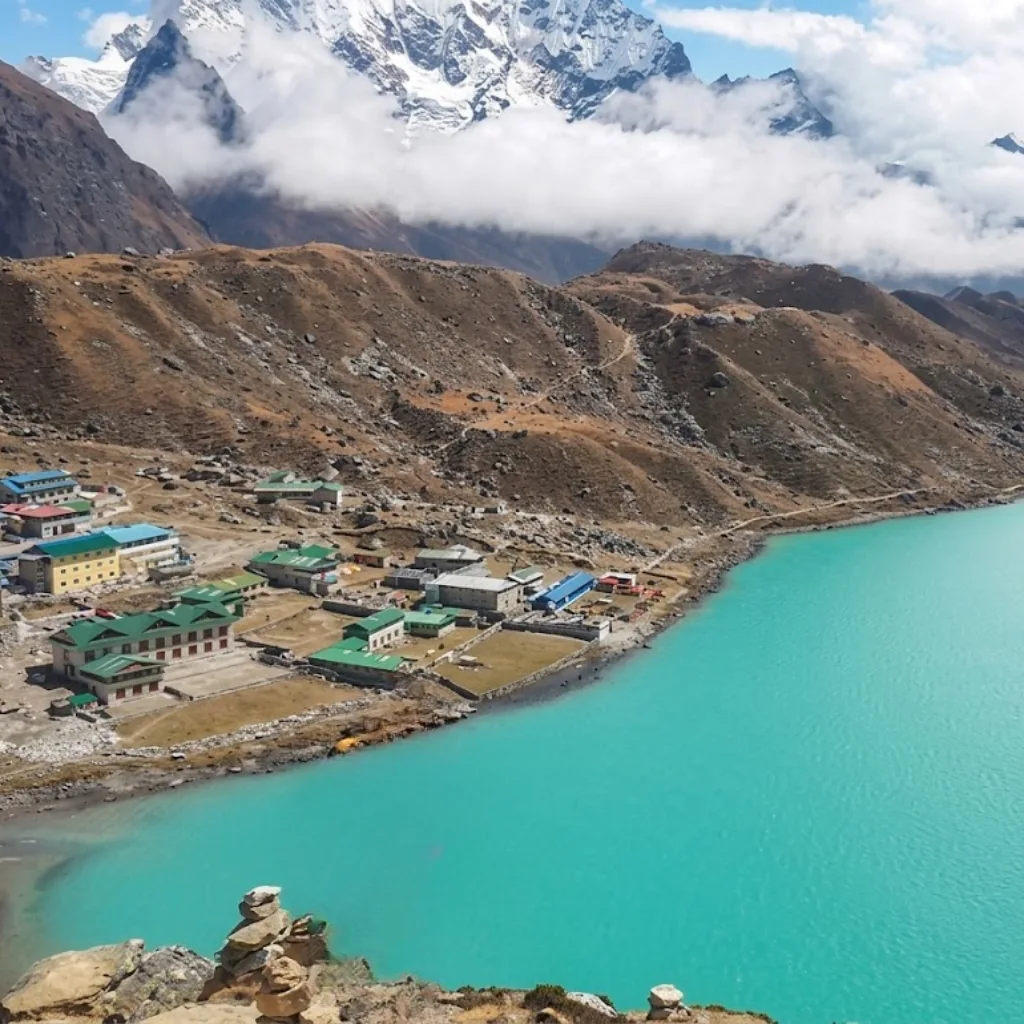
- Gokyo Lakes: Walk beside the turquoise glacial lakes of the Gokyo Valley, surrounded by some of the highest peaks in the Khumbu.
- Gokyo Ri: Climb Gokyo Ri for a wide Himalayan panorama featuring Everest, Lhotse, Makalu, Cho Oyu and surrounding peaks, weather permitting.
- Cho La Pass: Cross the high Cho La Pass between Gokyo Valley and the Everest Base Camp route, with steep and rugged terrain that adds a challenging element to the trek.
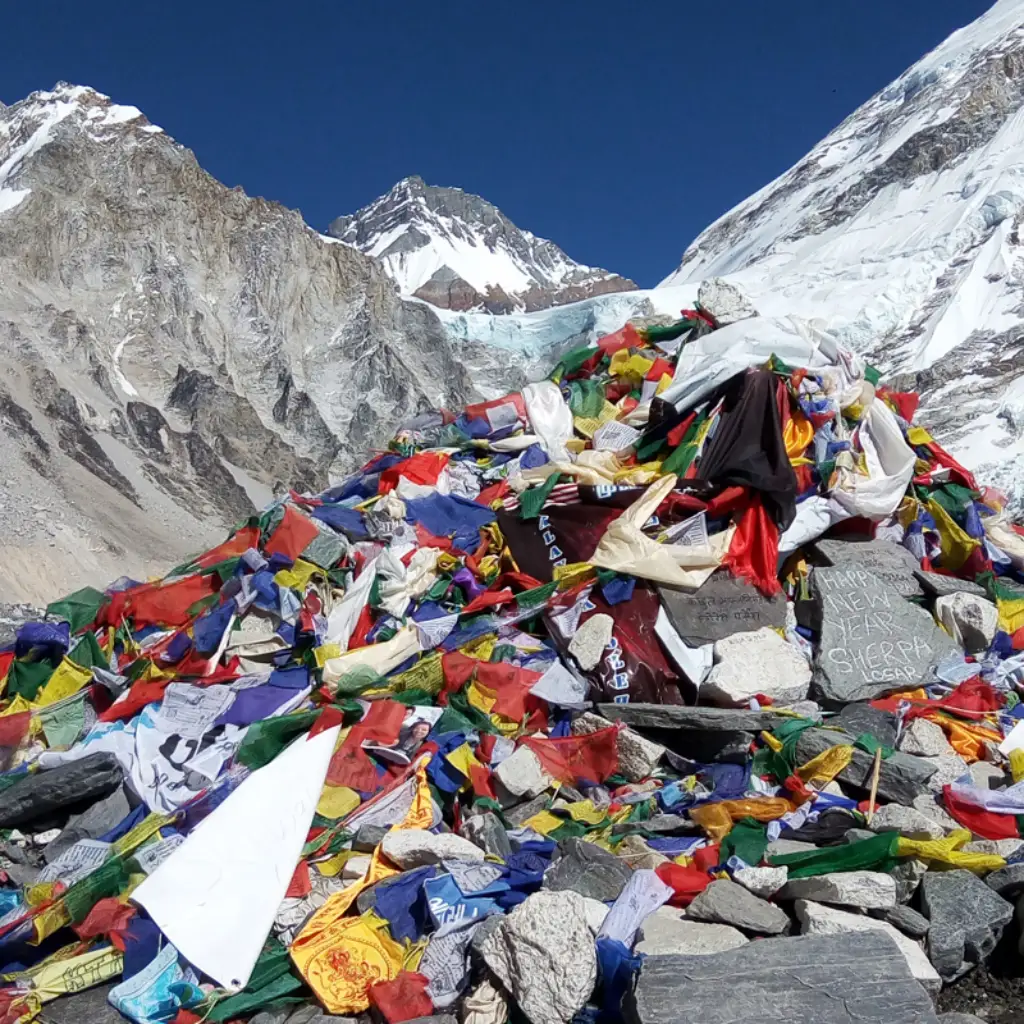
- Everest Base Camp — 5,364 m / 17,598 ft: Reach Everest Base Camp beside the Khumbu Glacier and stand at one of Nepal's most famous Himalayan trekking destinations.
- Khumbu Glacier & High Mountain Terrain: Experience glacial valleys, rocky trails, moraines and changing landscapes as the route moves deeper into the high Himalayas.
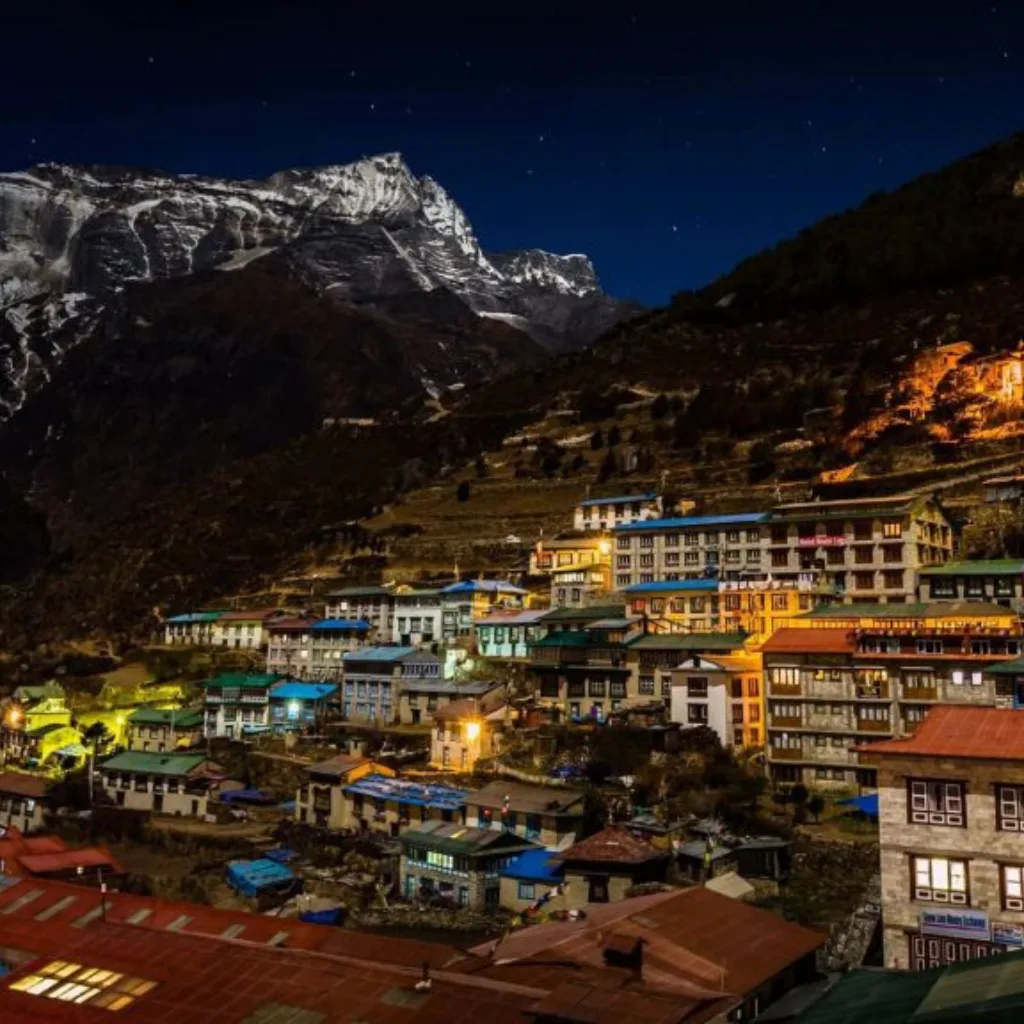
- Namche Bazaar — 3,440 m / 11,286 ft: Explore the lively Sherpa trading town of Namche Bazaar, an important acclimatization and cultural stop on the Everest route.
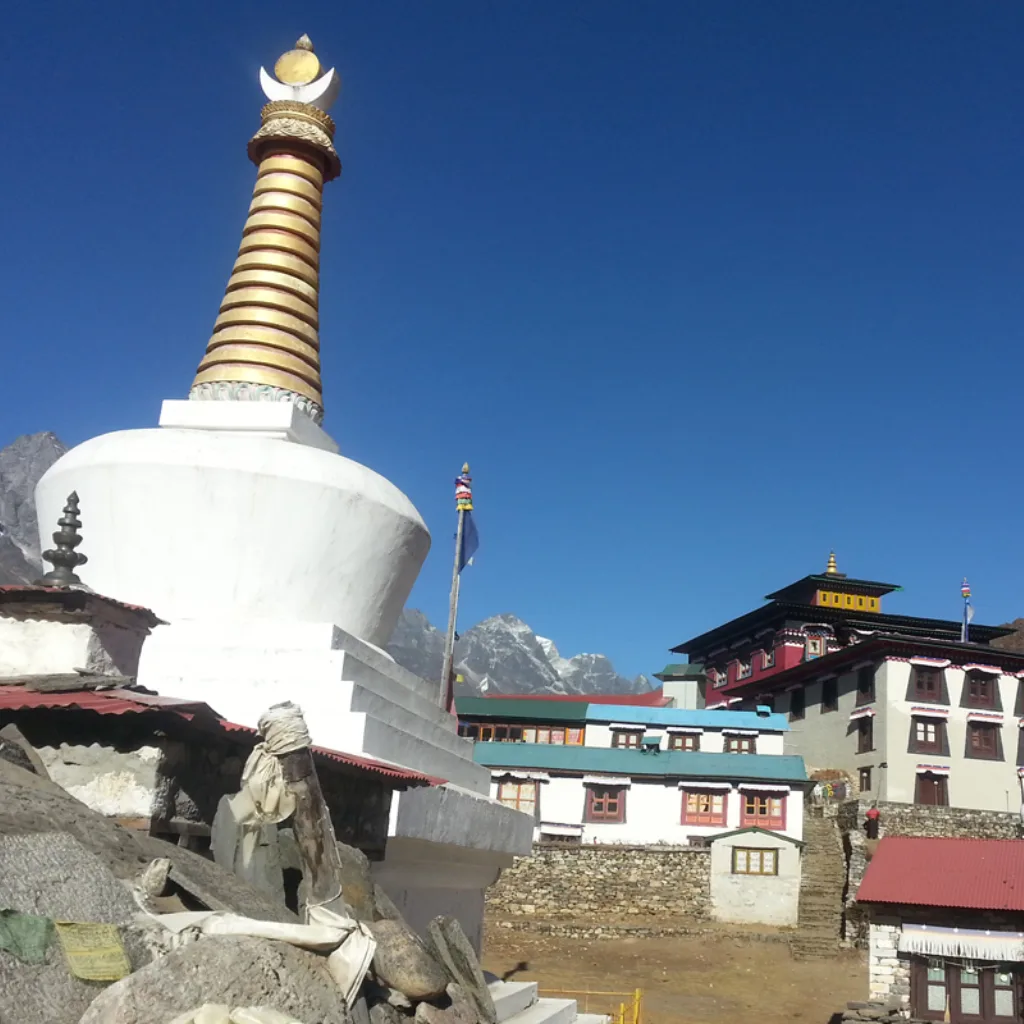
- Tengboche Monastery: Visit the famous Tengboche Monastery, surrounded by Himalayan peaks and set within the traditional Sherpa landscape of the Khumbu.
- Sherpa Villages & Mountain Culture: Walk through traditional settlements such as Namche, Tengboche, Dingboche and Gokyo, experiencing the culture and daily life of communities in the Everest region.
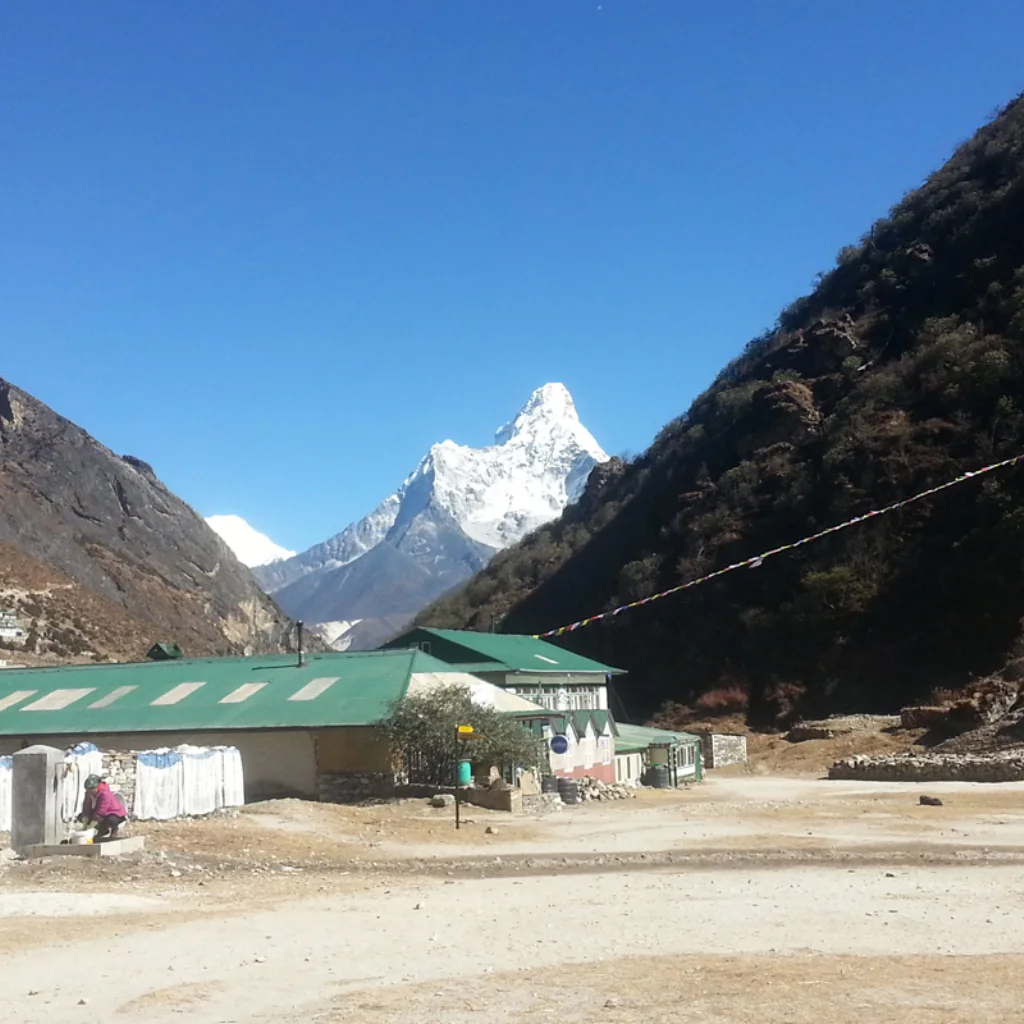
- Everest Region Mountain Views: Enjoy changing views of Mount Everest, Lhotse, Nuptse, Ama Dablam, Cho Oyu, Makalu and other Himalayan peaks along the route.
- Gokyo–Cho La–Everest Base Camp Route: Combine two major Everest trekking areas in one journey, travelling from the Gokyo Valley across Cho La Pass toward Everest Base Camp before returning through the Khumbu.
Gokyo Cho La Pass Everest Base Camp Trek Overview
The Gokyo Cho La Pass Everest Base Camp Trek is a 15-day trek in Nepal's Everest region that combines three of the Khumbu's most sought-after experiences: the turquoise Gokyo Lakes, the challenging Cho La Pass, and Everest Base Camp. The route also includes Gokyo Ri, Namche Bazaar, Tengboche and the traditional Sherpa villages of the Khumbu.
Starting and ending in Kathmandu, the journey begins with a scenic flight to Lukla before following the Dudh Koshi Valley toward Namche Bazaar. From there, the trail moves through the Everest region before reaching the high-altitude Gokyo Valley, crossing Cho La Pass, and continuing toward Everest Base Camp and the Khumbu Glacier. The return route passes through the Gokyo Valley and Namche before descending to Lukla for the flight back to Kathmandu.
With Nepal Lion Tours, the package starts from USD 1,425 per person and includes a licensed trekking guide, teahouse or lodge accommodation, meals during the trek, applicable trekking arrangements and transportation according to the itinerary. The trek is graded moderate to strenuous and is designed for trekkers prepared for long walking days and high-altitude terrain.
What Makes the Gokyo Cho La Pass Everest Base Camp Trek Special?
The trek starts with the classic approach through Lukla, Phakding and Namche Bazaar, gradually gaining altitude as you enter the heart of the Khumbu. An acclimatization day in Namche Bazaar gives you time to adjust to the elevation while exploring the Sherpa town and nearby viewpoints.
The route then continues toward Tengboche and Dingboche before entering the higher mountain terrain. Instead of following only the traditional Everest Base Camp route, this itinerary takes you toward Gokyo Valley, where the scenery changes to glacial lakes, rugged peaks and the vast Ngozumpa Glacier.
One of the major challenges comes with the crossing of Cho La Pass. The high pass connects the Gokyo and Everest regions and can involve steep, rocky or icy sections depending on the season and trail conditions. Crossing Cho La adds a demanding high-altitude element to the trek and makes this route more varied than a standard Everest Base Camp itinerary.
The journey also includes Gokyo Lakes and Gokyo Ri, offering wide views across the surrounding Himalayan peaks. From the Gokyo area, the route continues through the high Khumbu terrain toward Everest Base Camp, where you can stand beside the Khumbu Glacier and experience one of Nepal's most famous trekking destinations.
Why Choose the Gokyo Cho La Pass Everest Base Camp Trek?
If you want more than the standard Everest Base Camp route, this trek brings together Gokyo Lakes, Gokyo Ri, Cho La Pass and Everest Base Camp in one journey. You experience two contrasting sides of the Khumbu: the blue glacial lakes and open valleys around Gokyo, followed by the rugged glacier terrain around Everest Base Camp.
The route is also rewarding for trekkers who enjoy variety. You walk through Sherpa villages, pine and rhododendron forests, high mountain valleys, glacial terrain and some of the highest trekking trails in the Everest region.
At 15 days, it offers a longer and more demanding experience than a standard short Everest trek, but it also allows you to explore more of the Khumbu rather than simply travelling to Everest Base Camp and returning by the same route.
Who Is This 15-Day Gokyo Cho La Pass Everest Base Camp Trek Suitable For?
The Gokyo Cho La Pass Everest Base Camp Trek is a good choice for:
- Trekkers looking for a more challenging alternative to the classic Everest Base Camp route
- Travellers who want to visit both Gokyo Lakes and Everest Base Camp
- Experienced hikers comfortable with long days at high altitude
- Trekkers interested in crossing Cho La Pass
- Travellers who want to experience the Sherpa culture and villages of the Khumbu
- Photographers looking for varied landscapes, glaciers, lakes and Himalayan peaks
- Adventurous travellers with enough time for a 15-day high-altitude trek
Previous high-altitude trekking experience is helpful, but technical climbing skills are not required for the standard trek. You should, however, be prepared for 5–8 hours of walking on many trekking days, steep ascents and descents, high-altitude conditions and potentially demanding sections around Cho La.
The trek combines several major destinations into one route, so good preparation and a steady pace are important from the moment you leave Lukla until you return to Kathmandu.
Quick Facts
Trek Fact | Details |
Trek Name | Gokyo Cho La Pass Everest Base Camp Trek |
Duration | 15 days / 14 nights |
Region | Everest / Khumbu, Nepal |
Maximum Altitude | 5,364 m / 17,598 ft at Everest Base Camp |
Difficulty | Moderate to Strenuous |
Main Highlights | Gokyo Lakes, Gokyo Ri, Cho La Pass & Everest Base Camp |
Cho La Pass | High-altitude pass connecting Gokyo Valley with the Everest region |
Start / End | Kathmandu to Kathmandu |
Route | Lukla – Namche Bazaar – Tengboche – Dingboche – Gokyo – Cho La Pass – Everest Base Camp – Namche – Lukla |
Typical Walking | 5–8 hours per day |
Best Season | March–May and September–November |
Price From | USD 1,425 per person |
Accommodation | Teahouse lodges |
Guide | Licensed English-speaking trekking guide |
Gokyo Cho La Pass Everest Base Camp Trek Route and Elevation
The Gokyo Cho La Pass Everest Base Camp Trek route combines the classic Everest Base Camp trail with the remote Gokyo Valley and the challenging Cho La Pass. The journey begins with a scenic flight from Kathmandu to Lukla, followed by the trail through Phakding and Namche Bazaar before continuing deeper into the Khumbu.
After acclimatizing at Namche Bazaar, the route passes through Tengboche and Dingboche before reaching Lobuche and Gorakshep. From Gorakshep, you trek to Everest Base Camp at 5,364 m / 17,598 ft, following the rugged trail around the Khumbu Glacier.
The route then continues through Dzongla and Cho La Pass toward the Gokyo Valley. After reaching Gokyo, you explore the glacial lakes and climb Gokyo Ri for wide views of the surrounding Himalayan peaks before descending through Dole and Namche Bazaar to Lukla.
Gokyo Cho La Pass Everest Base Camp Trek Route at a Glance
Day | Trek Route | Altitude | Highlights |
Day 01 | Kathmandu → Lukla → Phakding | 2,610 m / 8,563 ft | Scenic flight, Lukla and Dudh Koshi Valley |
Day 02 | Phakding → Namche Bazaar | 3,440 m / 11,286 ft | Suspension bridges, Sagarmatha National Park and Namche Bazaar |
Day 03 | Acclimatization at Namche Bazaar | 3,440 m / 11,286 ft | Everest View Hotel, Sherpa culture and mountain views |
Day 04 | Namche Bazaar → Tengboche | 3,867 m / 12,687 ft | Rhododendron forest, Ama Dablam and Tengboche Monastery |
Day 05 | Tengboche → Dingboche | 4,410 m / 14,469 ft | Pangboche, alpine landscapes and Ama Dablam views |
Day 06 | Dingboche → Chhukung Valley → Dingboche | 4,730 m / 15,518 ft | Acclimatization hike and high-altitude scenery |
Day 07 | Dingboche → Lobuche | 4,940 m / 16,207 ft | Khumbu Glacier, memorials and rugged mountain trails |
Day 08 | Lobuche → Gorakshep → Everest Base Camp → Gorakshep | 5,364 m / 17,598 ft | Everest Base Camp and Khumbu Glacier |
Day 09 | Gorakshep → Kala Patthar → Dzongla | Kala Patthar — 5,545 m / 18,192 ft | Sunrise views, Kala Patthar and Dzongla |
Day 10 | Dzongla → Cho La Pass → Thangnak | 5,420 m / 17,782 ft | Cho La crossing, glacial terrain and Gokyo approach |
Day 11 | Thangnak → Gokyo → Fifth Lake area → Gokyo | 4,790 m / 15,715 ft | Gokyo Lakes, Ngozumpa Glacier and alpine scenery |
Day 12 | Gokyo → Gokyo Ri → Dole | 5,357 m / 17,575 ft | Gokyo Ri sunrise and panoramic Himalayan views |
Day 13 | Dole → Namche Bazaar | 3,440 m / 11,286 ft | Sherpa villages, forest trails and descent |
Day 14 | Namche Bazaar → Lukla | 2,804 m / 9,199 ft | Final trekking day and return to Lukla |
Day 15 | Lukla → Kathmandu | 1,350 m / 4,429 ft | Scenic flight and return to Kathmandu |
Gokyo Cho La Pass Everest Base Camp Elevation Profile
The trek begins at Lukla and gradually gains elevation through Phakding and Namche Bazaar before reaching the higher villages of Tengboche, Dingboche and Lobuche. The itinerary includes an acclimatization day at Namche and an additional hike from Dingboche to help prepare for the higher sections.
The route reaches Everest Base Camp at 5,364 m / 17,598 ft, followed by the demanding trail through Dzongla and Cho La Pass. After crossing the pass, the scenery changes as you enter the Gokyo Valley, where glacial lakes and the Ngozumpa Glacier dominate the landscape.
From Gokyo, the trail climbs to Gokyo Ri at approximately 5,357 m / 17,575 ft before descending through Dole and Namche Bazaar toward Lukla.
The elevation profile includes gradual acclimatization, steep ascents and descents, high-altitude terrain and a challenging pass crossing, making the Gokyo Cho La Pass Everest Base Camp Trek more demanding and varied than a standard Everest Base Camp itinerary.
How to Get to the Gokyo Cho La Pass Everest Base Camp Trek
The Gokyo Cho La Pass Everest Base Camp Trek begins with a flight from Kathmandu to Lukla, the main gateway to the Everest region. From Lukla, the trek follows the trail through Phakding and Namche Bazaar before continuing toward the high valleys, Everest Base Camp, Cho La Pass and Gokyo.
The standard itinerary is designed as a Kathmandu-to-Kathmandu journey, so your trekking arrangements can be coordinated around the Lukla flight and the walking schedule. Because flights to Lukla can be affected by weather and operational conditions, it is important to keep some flexibility in your travel plans.
Kathmandu to Lukla Flight
The quickest way to reach the starting point is a Kathmandu to Lukla flight, which takes around 30–40 minutes depending on flight conditions. The flight provides views of the Himalayan landscape before landing at Lukla Airport at approximately 2,840 m.
For this 15-day trek, the flight is followed by a trek from Lukla to Phakding, where you spend the first night before continuing toward Namche Bazaar.
Flight schedules can change because of weather, visibility and operational conditions, particularly during periods of unsettled weather. Your trekking operator can coordinate the flight arrangements and advise you about any schedule changes.
Lukla to Phakding: Starting the Trek
After arriving in Lukla, the walking section begins toward Phakding at approximately 2,610 m. The trail passes through small mountain settlements and follows sections of the Dudh Koshi Valley before reaching Phakding.
This first trekking day is relatively short compared with the longer high-altitude stages later in the itinerary. It also gives you a gradual start before the trail climbs toward Namche Bazaar at 3,440 m.
Returning from Lukla to Kathmandu
After completing the trek through Gokyo, Dole and Namche Bazaar, the route returns to Lukla. From Lukla, you take a domestic flight back to Kathmandu, completing the trekking journey.
The return flight can also be influenced by weather and operating conditions. For this reason, it is better to avoid scheduling an international departure immediately after the expected Lukla–Kathmandu flight.
A Practical Tip for International Travellers
If you are arriving in Nepal on an international flight, allow some time between your arrival in Kathmandu and the Kathmandu–Lukla flight. Likewise, leave a reasonable buffer between your expected return to Kathmandu and your international departure.
This extra flexibility is particularly useful because the Lukla flight schedule can change due to weather and operational conditions. Planning with some buffer time makes the overall Gokyo Cho La Pass Everest Base Camp Trek more comfortable and reduces the pressure of tight flight connections.
With the Kathmandu–Lukla flight, trekking route and return flight planned as part of the itinerary, the journey from Kathmandu to the Everest region is straightforward while still allowing flexibility for mountain conditions.
Gokyo Cho La Pass Everest Base Camp Trek Difficulty, Fitness & Altitude
The Gokyo Cho La Pass Everest Base Camp Trek is graded moderate to strenuous and is best suited to trekkers with good fitness and a willingness to walk for several hours on consecutive days. The route combines steep climbs, long descents, rocky mountain trails, glacial terrain and high-altitude sections, including Everest Base Camp, Cho La Pass and Gokyo Ri.
The challenge increases gradually as you move from Lukla to Namche Bazaar, Tengboche, Dingboche and Lobuche. The higher sections require more effort because the air becomes thinner and the terrain becomes rougher. Several days involve around 5–8 hours of walking, with some sections requiring a steady pace over uneven and exposed mountain trails.
You do not need technical mountaineering experience for the standard itinerary, but you should be comfortable with long uphill and downhill walks and prepared for demanding conditions around Cho La Pass.
Where Is the Hardest Part of the Trek?
The difficulty is not the same every day. The lower sections around Lukla, Phakding and Namche Bazaar provide a gradual introduction, while the physical demands increase as the trail gains elevation.
The climb from Namche Bazaar toward Tengboche and Dingboche involves sustained uphill walking. From Dingboche onward, the landscape becomes more alpine, and the combination of altitude and uneven terrain makes even moderate distances feel more demanding.
The Everest Base Camp section is another major effort. The trail from Lobuche through Gorakshep to Everest Base Camp at 5,364 m / 17,598 ft involves rocky paths, glacial terrain and significant elevation.
The most technically demanding trekking section is generally the Cho La Pass crossing. Depending on conditions, the trail can include steep, rocky or icy sections. Good footwear, careful footing and following your guide's instructions are particularly important here.
The climb to Gokyo Ri is also strenuous because it takes place at high altitude. Although the ascent is relatively short compared with some full trekking days, the elevation makes the climb feel harder than it would at lower altitudes.
How to Prepare for the Gokyo Cho La Pass Trek
Good preparation can make a noticeable difference on this trek. You do not need to train like a mountaineer, but you should build enough endurance and leg strength to handle repeated climbs and descents.
- Build walking endurance: Walk 3–5 times per week and gradually increase your distance and duration. Include some longer walks of several hours before departure.
- Train on hills and stairs: Regular uphill and downhill walking is useful preparation for the repeated climbs around Namche, Tengboche, Dingboche and the higher trail.
- Strengthen your legs: Squats, lunges, step-ups and calf raises can help prepare your legs for steep sections and long descents.
- Practise on uneven ground: Whenever possible, include trails, gravel paths or uneven surfaces in your training so your feet become accustomed to changing terrain.
- Include longer hiking days: Try several 4–6 hour walks before the trek. This helps you understand how your body handles sustained activity.
- Do not rush your pace: A steady, sustainable pace is more useful than walking quickly and becoming exhausted early in the day.
- Allow time for recovery: Rest properly before the trek and avoid intense training immediately before departure.
How Difficult Is This Trek Compared with Everest Base Camp?
The Gokyo Cho La Pass Everest Base Camp Trek is more demanding than a standard Everest Base Camp itinerary because it adds the Cho La Pass and Gokyo Valley to the journey.
A conventional Everest Base Camp trek generally follows one main route to Base Camp and returns through the Khumbu. This itinerary adds another high-altitude section, requiring you to cross from the Everest Base Camp area toward Gokyo.
The additional distance, high-altitude terrain and Cho La crossing make the trek physically more challenging. It is therefore better suited to trekkers who have previous multi-day hiking experience or who have prepared specifically for sustained high-altitude walking.
Altitude, Acclimatization & Safety
Altitude is one of the main factors that makes the Gokyo Cho La Pass Everest Base Camp Trek challenging. The itinerary starts at Lukla and gradually climbs through Namche Bazaar, Tengboche and Dingboche before reaching the higher sections of the Khumbu.
The trek includes an acclimatization day in Namche Bazaar and an additional acclimatization hike around Dingboche. These rest and adaptation periods are important because your body needs time to adjust as you gain elevation.
The package's maximum listed altitude is Everest Base Camp at 5,364 m / 17,598 ft. The route also includes other high-altitude sections, including Cho La Pass and Gokyo Ri, so altitude awareness remains important throughout the upper part of the trek.
Gokyo Cho La Pass Everest Base Camp Trek Altitude Profile
- Lukla — approx. 2,840 m / 9,318 ft: Starting point of the trekking section after the flight from Kathmandu.
- Phakding — 2,610 m / 8,563 ft: First overnight stop in the Dudh Koshi Valley.
- Namche Bazaar — 3,440 m / 11,286 ft: Major Sherpa settlement and the first key acclimatization point.
- Tengboche — 3,867 m / 12,687 ft: Mountain village known for its monastery and views of Ama Dablam.
- Dingboche — approx. 4,410 m / 14,469 ft: High-altitude settlement where the itinerary includes an acclimatization hike.
- Lobuche — approx. 4,940 m / 16,207 ft: High mountain settlement close to the Everest Base Camp route.
- Everest Base Camp — 5,364 m / 17,598 ft: Major destination of the trek beside the Khumbu Glacier.
- Cho La Pass — approx. 5,420 m / 17,782 ft: High pass connecting the Everest Base Camp and Gokyo areas.
- Gokyo — approx. 4,790 m / 15,715 ft: High-altitude village beside the Gokyo Lakes.
- Gokyo Ri — approx. 5,357 m / 17,575 ft: High viewpoint offering expansive views across the Everest region.
- Dole — approx. 4,040 m / 13,255 ft: Lower elevation reached after descending from Gokyo.
- Namche Bazaar — 3,440 m / 11,286 ft: Major descent point before returning to Lukla.
How to Handle Altitude During the Trek
The most useful approach to altitude is to walk steadily, stay hydrated, eat regularly and give your body time to adjust. Avoid trying to maintain the same walking speed at 4,000–5,000 metres that you would at lower elevations.
Common symptoms of acute mountain sickness (AMS) can include headache, nausea, dizziness, unusual tiredness and difficulty sleeping. Tell your guide if you experience these symptoms, particularly if they become stronger or do not improve.
More serious warning signs include confusion, difficulty walking, severe breathlessness at rest or repeated vomiting. These symptoms require prompt attention rather than continuing higher on the route. If serious altitude illness is suspected, descending to a lower elevation is an important part of the response.
How Nepal Lion Tours Supports You at High Altitude
- Planned acclimatization: The itinerary includes acclimatization time in Namche Bazaar and an acclimatization hike from Dingboche.
- Gradual elevation gain: The route moves through established mountain settlements rather than immediately taking you into the highest sections.
- Experienced trekking guide: Your guide accompanies you throughout the trekking route and can monitor your pace and general condition.
- Regular communication: Inform your guide early if you experience headache, nausea, dizziness, unusual fatigue or other symptoms.
- Steady trekking pace: Maintaining a manageable pace helps conserve energy during the longer high-altitude days.
- Appropriate preparation: Trekkers should bring suitable clothing, footwear and personal medication and should have travel insurance appropriate for a high-altitude trek.
- Condition-based decisions: Weather, trail and individual health conditions can affect the itinerary, particularly around the high sections and Cho La Pass. Your guide can adjust the pace or day's plan when necessary.
Best Time to Trek Gokyo Cho La Pass Everest Base Camp
The best time for the Gokyo Cho La Pass Everest Base Camp Trek is generally spring (March–May) and autumn (September–November). These seasons usually provide favourable trekking conditions, better mountain visibility and more manageable trail conditions across the Khumbu.
For this particular route, seasonal conditions matter more than on shorter lower-altitude treks because the itinerary includes Everest Base Camp, Cho La Pass and Gokyo Ri. Snow, ice, cloud, wind and changing temperatures can affect the higher sections, especially around Cho La.
Season | Months | Weather & Trail Conditions | Suitability |
Autumn | September–November | Generally dry and stable, with cooler temperatures at higher elevations | Excellent |
Spring | March–May | Mild conditions with gradually warmer days; snow may remain at higher elevations | Excellent |
Winter | December–February | Very cold; snow and ice can affect high passes and trails | Challenging |
Monsoon | June–August | Rain and cloud in lower areas; wet trails and reduced visibility | Less suitable |
Autumn — September to November
Autumn is one of the most reliable periods for the Gokyo Cho La Pass Everest Base Camp Trek. The monsoon generally clears from September onward, while October and November often bring dry conditions and good visibility.
This is a particularly attractive season for seeing Everest, Ama Dablam, Lhotse, Cho Oyu and other Himalayan peaks along the route. The trails are also generally in good condition, although temperatures become colder as you reach the higher elevations.
Spring — March to May
Spring is another strong season for this trek, with gradually warmer daytime temperatures and generally good trekking conditions. March can still bring snow around the higher sections, while April and May are usually milder.
The lower valleys can also show spring vegetation and blooming rhododendrons, while clear mornings often provide good views of the surrounding mountains. Trekkers crossing Cho La Pass should still be prepared for snow or icy sections, particularly earlier in the season.
Winter — December to February
Winter brings cold temperatures and more challenging conditions at high altitude. Snowfall can affect trails around the higher sections of the route, and the Cho La Pass crossing can become more demanding when snow and ice are present.
The advantage is that clear winter days can provide excellent mountain visibility and quieter trails. However, this season is better suited to experienced trekkers who are properly equipped for freezing temperatures, shorter daylight hours and potentially difficult trail conditions.
Monsoon — June to August
Monsoon is generally the least suitable season for this trek. Rain and cloud can affect the lower sections of the Everest route, while wet trails can become slippery. Cloud cover can also reduce views of the mountains and interfere with flights to and from Lukla.
The higher Khumbu receives less rainfall than many parts of Nepal, but weather can still change quickly and visibility around the mountains may be limited. Trekkers choosing this period should be prepared for wet conditions and possible travel disruptions.
Which Season Should You Choose?
Choose autumn if your priority is generally stable weather, dry trails and clear Himalayan views. Choose spring if you prefer milder conditions and the possibility of seeing rhododendrons in bloom along the lower sections.
Winter can work for experienced trekkers who are comfortable with cold and snow, but the high-pass sections require greater preparation. Monsoon is possible with suitable planning, although rain, cloud and Lukla flight disruptions can make the journey less predictable.
For the Gokyo Cho La Pass Everest Base Camp Trek, the condition of Cho La Pass is especially important. Weather can change quickly in the high mountains, so your final trekking plan should take current forecasts, trail conditions and your guide's assessment into account regardless of the season.
Gokyo Cho La Pass Everest Base Camp Trek Permits & Regulations
The Gokyo Cho La Pass Everest Base Camp Trek passes through Sagarmatha National Park, so trekkers need the applicable national park entry permit and TIMS (Trekkers' Information Management System) registration. These permits and registrations are part of the standard documentation required for trekking in the Everest region.
When you book the trek with Nepal Lion Tours, the trekking team handles the required permit and registration arrangements as part of the pre-trek preparation. You therefore do not need to complete the permit process independently.
Gokyo Cho La Pass Everest Base Camp Trek Permits at a Glance
Requirement | Purpose | Who Arranges It? |
Sagarmatha National Park Entry Permit | Required for entering Sagarmatha National Park | Nepal Lion Tours |
TIMS Card / Registration | Trekker and itinerary registration for applicable routes | Nepal Lion Tours |
Local Trekking Registration | May apply according to current local regulations | Nepal Lion Tours |
Restricted-Area Permit | Not required for the standard Gokyo–Cho La–Everest Base Camp route | Not applicable |
Government permit fees and trekking regulations can change. The applicable requirements and charges should be confirmed before departure.
Sagarmatha National Park Permit
The Sagarmatha National Park Entry Permit is required because the trek passes through the protected Everest region. The route enters the park after Lukla and continues through important trekking settlements including Namche Bazaar, Tengboche, Dingboche, Lobuche and the Gokyo Valley.
For permit processing, you will generally need:
- A valid passport
- Your trek and personal details
- The applicable entry fee
- Required registration information
Nepal Lion Tours can arrange the national park permit as part of your trekking preparation according to the current regulations.
TIMS for the Everest Region Trek
The TIMS (Trekkers' Information Management System) is used to register trekkers and maintain important information about their trekking itinerary and guide arrangements.
For guests travelling with Nepal Lion Tours, the applicable TIMS registration is handled by the trekking agency as part of the pre-departure arrangements. You should provide accurate passport and personal information in advance so the required documentation can be prepared correctly.
Do You Need a Restricted-Area Permit?
No, not for the standard Gokyo Cho La Pass Everest Base Camp Trek.
Although the route reaches high and remote areas of the Khumbu, the standard itinerary through Lukla, Namche Bazaar, Everest Base Camp, Cho La Pass and Gokyo does not require a restricted-area trekking permit.
This is different from trekking areas such as Upper Mustang, Manaslu and certain other restricted regions, where additional permits and specific regulations apply.
If you change the itinerary or add a restricted trekking area, the permit requirements may be different. Your trekking company should confirm the documentation required for any modified route.
Who Arranges the Trekking Permits?
When you book the Gokyo Cho La Pass Everest Base Camp Trek with Nepal Lion Tours, the company can coordinate the applicable Sagarmatha National Park permit, TIMS registration and other required trekking documentation before you begin the trek.
You should carry your original passport during the journey because it may be required for identification or document checks at different points along the route.
Since Nepal's trekking regulations and government fees can be revised, the final permit requirements should be confirmed with your trekking operator before departure.
Food & Accommodation on the Gokyo Cho La Pass Everest Base Camp Trek
Food and accommodation are an important part of the Gokyo Cho La Pass Everest Base Camp Trek. Most nights are spent in local teahouses and trekking lodges, where the facilities become simpler as the route moves into the higher Khumbu.
Meals are generally designed to provide enough energy for long trekking days, with a combination of Nepali staples, local mountain dishes and familiar international options. Your guide can help communicate dietary preferences and meal requirements to the teahouses along the route.
Teahouse Accommodation on the Trek
Accommodation is generally arranged in twin-sharing teahouse rooms, with the exact facilities varying between villages. In popular stops such as Namche Bazaar, you may find more lodge choices and better facilities, while accommodation in places such as Thangnak, Dzongla and Gokyo can be more basic.
Typical teahouse facilities may include:
- Twin-sharing rooms with beds, mattresses and basic bedding
- Shared bathrooms in most lodges
- Hot showers at selected teahouses, usually for an additional fee
- Electricity for lighting and charging, with charging fees possible
- Dining rooms where trekkers can eat, rest and warm up
- Wi-Fi or mobile connectivity in some villages, although reliability varies
- Basic sleeping facilities suitable for high-altitude mountain conditions
The further you travel into the high-altitude sections, the more limited the facilities can become. Gorakshep, Dzongla, Thangnak and Gokyo are particularly important to prepare for as mountain lodges there operate with more limited resources than accommodation in Kathmandu or lower Khumbu villages.
What Food Can You Expect?
Teahouses along the Everest Base Camp and Gokyo trekking routes offer a surprisingly broad selection of meals. Menus vary by lodge, but common choices include:
- Dal bhat with rice, lentils and vegetables
- Momos
- Sherpa stew and local soups
- Noodles and noodle soup
- Fried rice
- Pasta
- Potatoes
- Eggs
- Porridge
- Pancakes
- Toast
- Simple sandwiches
Dal bhat is one of the most practical choices on longer trekking days because it is filling and provides carbohydrates, vegetables and lentils. Breakfast options such as porridge, eggs, toast and pancakes are also commonly available.
Vegetarian food is generally easy to find. If you have vegan, gluten-free or other dietary requirements, inform Nepal Lion Tours before departure. Options can become more limited at higher elevations, so giving your guide advance notice is useful.
Food and Accommodation Included in the Package
Your package includes accommodation and meals during the trekking portion according to the stated inclusions.
Generally Included | Usually Extra |
Teahouse accommodation during the trek | Bottled water and soft drinks |
Breakfast, lunch and dinner on trek days | Snacks and desserts |
Twin-sharing accommodation | Alcoholic beverages |
Guide and trekking arrangements | Hot showers |
Tea or coffee where specified in the package | Wi-Fi or device charging where fees apply |
Required trekking arrangements stated in the package | Personal expenses and tips |
The exact services included should always be checked in the final package inclusions because lodge facilities and additional services can vary between locations.
Drinking Water on the Gokyo Cho La Pass Trek
Staying hydrated is particularly important during the high-altitude sections of the trek. Water is available from teahouses and local sources along the route, but untreated natural water should not be assumed to be safe.
You can purchase bottled water or use boiled and treated water where available. Carrying a reusable bottle together with a reliable water purification method or filter is a practical option and helps reduce plastic waste.
Drink regularly throughout the day, especially during long climbs and demanding sections such as the approach to Everest Base Camp, Cho La Pass and Gokyo Ri.
How to Stay Comfortable in High-Altitude Teahouses
A few simple items can make your nights on the trail considerably easier:
- Carry a reusable water bottle or hydration system.
- Bring a suitable sleeping bag for cold nights at higher elevations.
- Pack a power bank because charging may be limited or paid.
- Keep enough Nepali cash for showers, charging, snacks and drinks.
- Bring warm layers for cold mornings and evenings.
- Carry personal toiletries and basic medications.
- Tell your guide about dietary restrictions before the trek begins.
- Keep your essential warm clothing and personal items easily accessible during high-altitude nights.
The Gokyo Cho La Pass Everest Base Camp Trek combines the simple comfort of Himalayan teahouses with the remote character of the Khumbu. Facilities become more basic as you climb higher, but a warm meal, a place to rest and the atmosphere of a mountain lodge provide a welcome end to demanding days on the trail.
Why Book the Gokyo Cho La Pass Everest Base Camp Trek with Nepal Lion Tours?
A Gokyo Cho La Pass Everest Base Camp Trek requires more than simply following a trail. Long walking days, high altitude, changing mountain conditions and the Cho La Pass crossing make good planning and reliable local support important. Nepal Lion Tours organizes the trek around a clear itinerary, licensed trekking guidance and practical arrangements from Kathmandu to the Everest region and back.
- Licensed English-speaking trekking guides
Your trek is accompanied by a licensed trekking guide who understands the Khumbu trails, mountain villages and changing conditions along the route. Having a local guide is particularly useful during demanding sections such as the approach to Everest Base Camp, Cho La Pass and Gokyo Ri, where pacing and route awareness matter.
- Local knowledge of the Everest region
Nepal Lion Tours is a locally based trekking company in Nepal, giving you access to a team familiar with the Everest Base Camp and Gokyo trekking routes. Local knowledge can be valuable when dealing with trail conditions, teahouse arrangements, weather changes and the practical realities of trekking at high altitude.
- Private departures from 2 trekkers
The 15-day Gokyo Cho La Pass Everest Base Camp Trek can be arranged as a private departure from two trekkers. This is a practical option for couples, friends or small groups who prefer to travel together rather than join a large fixed group. Private departures can also provide more flexibility in pacing and daily arrangements within the planned itinerary.
- A route that combines Gokyo, Cho La and Everest Base Camp
Instead of following only the classic Everest Base Camp trail, this itinerary connects Gokyo Lakes, Gokyo Ri, Cho La Pass and Everest Base Camp in one journey. You experience different landscapes of the Khumbu, from glacial lakes and alpine valleys to the rugged terrain surrounding the Khumbu Glacier.
- Planned acclimatization and gradual altitude gain
Altitude is an important part of this trek. The itinerary includes an acclimatization day in Namche Bazaar and an additional acclimatization hike around Dingboche before the highest sections. The route then progresses toward Everest Base Camp at 5,364 m / 17,598 ft, followed by the high trail toward Cho La and Gokyo.
- Trekking permits and essential arrangements handled
The team can arrange the required Sagarmatha National Park permit, TIMS registration and applicable trekking documentation as part of the pre-trek preparation. This allows you to arrive ready for the trail without having to organize each permit independently.
- Clear package pricing and included services
Starting from USD 1,425 per person, the package is designed to bring the main trekking arrangements together in one itinerary. Depending on the stated package inclusions, this covers services such as trekking accommodation, meals, guide support, permits and transportation. Any personal expenses or services outside the listed inclusions remain your responsibility.
- Direct local support before and during the trek
From your initial enquiry in Kathmandu to your return from Lukla, you have a local team to contact about the itinerary, trekking preparation, permits and logistics. Having support on the ground is especially useful for a route where weather and mountain conditions can affect travel plans.
Trek with a Local Team That Understands the Route
The Gokyo Cho La Pass Everest Base Camp Trek is a demanding Himalayan journey, and preparation makes a difference. Nepal Lion Tours combines local trekking support, organized logistics and a structured 15-day itinerary so you can concentrate on the trail, the mountain landscapes and the experience of travelling through the Khumbu.
Book the Gokyo Cho La Pass Everest Base Camp Trek
Ready to explore the Gokyo Lakes, cross Cho La Pass and stand at Everest Base Camp? This 15-day Gokyo Cho La Pass Everest Base Camp Trek combines high Himalayan landscapes, Sherpa villages, glacial valleys and some of the most memorable trails in the Khumbu in one challenging adventure.
Trek at a Glance
- Duration: 15 days / 14 nights
- Price: From USD 1,425 per person
- Difficulty: Moderate to Strenuous
- Maximum Listed Altitude: 5,364 m / 17,598 ft at Everest Base Camp
- Main Highlights: Gokyo Lakes, Gokyo Ri, Cho La Pass and Everest Base Camp
- Accommodation: Teahouse lodges
- Meals: Breakfast, lunch and dinner during the trekking days
- Permits & Registration: Sagarmatha National Park permit, applicable TIMS registration and required trekking documentation
- Transportation: Kathmandu–Lukla–Kathmandu flights and ground transfers according to the itinerary
- Guide: Licensed English-speaking trekking guide
- Group Size: 1–10 trekkers
Ready to Explore the Khumbu?
Book your Gokyo Cho La Pass Everest Base Camp Trek with Nepal Lion Tours and start preparing for one of the more demanding trekking routes in the Everest region.
Send us your preferred departure date and group size through the booking form or WhatsApp at +977-9851039020. Our local team can help you confirm the itinerary, permits, flights, accommodation and trek preparation before you set out from Kathmandu.
Whether you are travelling with a partner, friends or a small private group, we can help organize the practical details so you can focus on the trail—from Lukla and Namche Bazaar to Everest Base Camp, Cho La Pass and Gokyo.
Choose your dates and start planning your Khumbu adventure with Nepal Lion Tours.
Related Everest Region Treks
If you are considering the Gokyo Cho La Pass Everest Base Camp Trek, these related Everest region treks offer different ways to experience the Khumbu—from shorter Everest journeys to longer high-altitude adventures.
Trek | Duration | Difficulty | Max Altitude | Best For |
Everest Base Camp Trek | 14 days | Moderate–Strenuous | 5,364 m | A classic journey to Everest Base Camp through Namche, Tengboche and the Khumbu |
Everest Base Camp Trek with Helicopter Return | 11 days | Moderate–Strenuous | 5,364 m | Reaching Everest Base Camp with a shorter return route |
Everest Three High Passes Trek | 18–20 days | Strenuous | 5,555 m | Crossing multiple high passes with an extended Khumbu adventure |
Gokyo Valley Trek | 12 days | Moderate–Strenuous | 5,357 m | Exploring Gokyo Lakes and Gokyo Ri without the Cho La–EBC circuit |
Everest Panorama Trek | 10 days | Moderate | 3,880 m | Himalayan views, Sherpa villages and Everest scenery at lower altitude |
Gokyo Cho La Pass Everest Base Camp Trek | 15 days | Moderate–Strenuous | 5,364 m | Combining Gokyo Lakes, Cho La Pass, Gokyo Ri and Everest Base Camp |
If you want the classic Everest experience, the Everest Base Camp Trek follows the main route to Base Camp without the Gokyo and Cho La sections. For a longer and more demanding journey, the Everest Three High Passes Trek adds multiple high-altitude crossings. The Gokyo Valley Trek is a suitable alternative if your priority is Gokyo Lakes and Gokyo Ri without completing the full Gokyo–Cho La–Everest Base Camp circuit.
You can also combine your Everest trek with time in Kathmandu or Pokhara or extend your Nepal itinerary with experiences such as a Chitwan Jungle Safari.
Trip Essentials
Packing advice, required equipment & gear recommendations
Essential
Gokyo Cho La Pass Everest Base Camp Trek Packing List
Packing for the Gokyo Cho La Pass Everest Base Camp Trek requires preparation for changing temperatures, long walking days and high-altitude conditions. Lower sections around Lukla and Namche can feel mild during the day, while areas around Everest Base Camp, Cho La Pass and Gokyo can be very cold, especially in the early morning and during winter.
A practical layering system is more useful than carrying too many clothes. Choose versatile clothing that can handle sun, wind, rain and cold without making your trekking bag unnecessarily heavy.
Hiking Gear
- Trekking boots with good ankle support and reliable grip. Break them in before the trek.
- Trekking poles for steep climbs, long descents and uneven trails, especially around Cho La Pass.
- A 25–35 litre daypack with a rain cover for daily essentials.
- Water bottles or a hydration system with enough capacity for the day's walking.
- Water purification tablets, a filter or another reliable water-treatment method.
- Headlamp with spare batteries for early starts and use around teahouses.
- Small dry bags or waterproof pouches for electronics, documents and valuables.
- Gaiters, particularly useful if snow or wet conditions are present around Cho La.
Clothing: Build a Layering System
Temperatures can change considerably between Lukla, Namche Bazaar and the higher Khumbu. Pack lightweight layers that can be added or removed as conditions change.
Base layers
- 2 lightweight thermal tops.
- 1–2 thermal bottoms for cold mornings and higher elevations.
- Merino wool or synthetic fabrics are preferable to cotton because they dry faster.
Mid-layers
- 1–2 fleece or warm mid-layers.
- 1 insulated jacket or puffer for cold mornings and evenings.
Outer layers
- 1 waterproof and wind-resistant jacket with a hood.
- Waterproof trousers or rain pants.
- A warm insulated layer suitable for high-altitude trekking.
Trekking clothes
- 2 pairs of trekking trousers.
- 1 pair of lightweight or convertible trousers.
- 3–5 trekking shirts.
- 5–7 pairs of trekking socks.
- Comfortable clothing for sleeping and evenings.
Headwear and gloves
- Warm beanie or fleece hat.
- Sun hat or cap with a brim.
- Warm gloves plus a more insulated pair for higher elevations.
- Buff or neck gaiter for sun, wind and cold.
You do not need a separate outfit for every trekking day. A few versatile layers can cover most conditions you are likely to encounter.
Sleeping and Evening Comfort
Nights become colder as you gain altitude, particularly around Lobuche, Gorakshep, Dzongla, Thangnak and Gokyo. A suitable sleeping setup is therefore important.
- Warm sleeping bag suitable for high-altitude conditions.
- Sleeping-bag liner for additional warmth or personal comfort.
- Warm socks reserved for sleeping.
- Comfortable sleepwear.
- Earplugs for shared teahouse rooms.
- Eye mask if you prefer to sleep in darker conditions.
- Lightweight sandals or camp shoes for use inside teahouses.
Toiletries and Personal Health Items
Keep toiletries compact because you will carry your personal items throughout the 15-day trek.
- Sunglasses with good UV protection.
- Sunscreen and SPF lip balm.
- Personal medications.
- Small personal first-aid kit.
- Blister plasters or blister treatment.
- Basic pain relief if you normally use it.
- Rehydration salts if needed.
- Toothbrush and toothpaste.
- Biodegradable soap or small body wash.
- Hand sanitiser.
- Quick-dry towel.
- Wet wipes.
- Toilet paper or tissues.
- Personal hygiene products you regularly use.
Keep important personal medication easily accessible rather than packed deep inside your main bag.
Electronics
You do not need much technology on the trail, but a few items are useful for communication and documenting the Everest region trek.
- Mobile phone and charging cable.
- Power bank, preferably around 10,000–20,000 mAh.
- Camera and spare batteries if you plan to photograph the mountains.
- Universal travel adapter if required.
- Headphones or earbuds.
Charging facilities are available at many teahouses, although charging may cost extra and become more limited at higher elevations. Internet and mobile connectivity also vary along the route, so do not depend on continuous Wi-Fi or phone service.
Documents and Money
Keep important documents protected and easily accessible throughout the trek.
- Passport and copies of important travel documents.
- Travel insurance details, including your insurer's emergency contact information.
- Copies or digital records of relevant trekking permits and registration documents.
- Sufficient Nepalese rupees in smaller denominations for drinks, snacks, showers, charging and tips.
- Emergency contact details stored on your phone and separately.
Carry your original passport during the trek because it may be required for identification or document checks.
What to Keep in Your Daypack for Cho La Pass
The Cho La Pass crossing is one of the most demanding sections of the trek. Keep essential clothing, water and personal items easily accessible rather than buried in your main luggage.
Your daypack should contain:
- Waterproof jacket and trousers
- Warm gloves and hat
- Extra warm layer
- Sunglasses
- Water and snacks
- Headlamp
- Trekking poles
- Personal medication
- Phone or camera
- Sunscreen and lip balm
- Small first-aid items
If snow or ice is present, follow your guide's advice regarding suitable equipment and trail conditions before attempting the crossing.
How Much Should You Pack?
For a 15-day Gokyo Cho La Pass Everest Base Camp Trek, lighter is generally better, but do not sacrifice essential cold-weather gear to reduce your bag weight.
Avoid heavy jeans, unnecessary shoes, excessive clothing and bulky toiletries. Keep your daypack focused on daily essentials and organize your main luggage so frequently needed items are easy to access.
Because the route includes Everest Base Camp, Cho La Pass and Gokyo Ri, your packing should be suitable for both lower-elevation trekking and cold high-altitude conditions. Reliable footwear, warm layers, rain protection and appropriate gloves are more important than carrying a large quantity of clothing.
Gokyo Cho La Pass Everest Base Camp Trek Packing Checklist
Category | Essential Items |
Footwear | Trekking boots, trekking socks, camp sandals |
Clothing | Thermal layers, trekking shirts, trekking trousers, fleece, insulated jacket |
Weather Protection | Waterproof jacket, rain pants, warm gloves, hat, buff |
Trekking Gear | Daypack, trekking poles, headlamp, water bottles |
Sleeping | Sleeping bag, sleeping-bag liner, warm sleepwear |
Sun Protection | Sunglasses, sunscreen, SPF lip balm, sun hat |
Health & Hygiene | Personal medication, first-aid items, toiletries, hand sanitiser |
Electronics | Phone, charger, power bank, camera if required |
Documents | Passport, insurance details, permit records, emergency contacts |
Money | Nepalese rupees in smaller denominations |
The goal is to pack for the conditions you will actually face: versatile layers, reliable footwear, protection from rain and cold, and the personal essentials you need for a 15-day high-altitude trek in the Everest region.
Read Before You Book
Permits, terms, medical considerations & advisory guidelines
Advisory
What to Know Before Booking
The Gokyo Cho La Pass Everest Base Camp Trek is a demanding 15-day high-altitude trek combining Gokyo Lakes, Cho La Pass and Everest Base Camp. Understanding the accommodation, food, altitude, weather, walking conditions and practical arrangements before booking will help you prepare properly for the journey.
Accommodation and Facilities
You will stay mainly in local teahouses and trekking lodges in twin-sharing rooms. Facilities are generally more basic at higher elevations, particularly around Gorakshep, Dzongla, Thangnak and Gokyo.
Most teahouses have shared bathrooms, while hot showers, Wi-Fi and device charging may be available for an additional fee. Facilities can become more limited as you move deeper into the high-altitude Khumbu, so carrying a power bank and some Nepalese cash is useful.
Food and Dietary Requirements
Meals during the trek generally include both Nepali and international dishes. Common options include dal bhat, momos, noodles, fried rice, pasta, potatoes, eggs, porridge and pancakes.
Vegetarian meals are widely available, but choices can become more limited at higher elevations. If you are vegan, gluten-free or have a food allergy, inform your trekking company before departure so suitable arrangements can be discussed with the teahouses.
Altitude and Physical Preparation
Altitude is one of the main factors to consider before booking the Gokyo Cho La Pass Everest Base Camp Trek. The route gradually climbs from Lukla through Namche Bazaar, Tengboche and Dingboche before reaching the higher sections around Everest Base Camp, Cho La Pass and Gokyo Ri.
The itinerary includes acclimatization time, but you should still be prepared for 5–8 hours of walking on many days, steep ascents and descents, uneven trails and demanding high-altitude terrain.
Previous trekking experience is helpful, although technical mountaineering skills are not required for the standard itinerary. Good cardiovascular fitness, regular walking practice and preparation for consecutive trekking days are recommended.
Cho La Pass Conditions
Cho La Pass is one of the most challenging parts of the itinerary. Trail conditions can vary depending on the season and weather, with sections that may be rocky, steep, snowy or icy.
Conditions around the pass can change quickly, so the crossing should be approached with appropriate footwear, warm clothing, trekking poles and careful pacing. Your guide will assess the trail and weather conditions and provide guidance during the crossing.
Travel Insurance
Travel insurance is strongly recommended for this trek. Your policy should be appropriate for high-altitude trekking in Nepal and cover medical treatment and emergency assistance relevant to your itinerary.
Before travelling, check the policy's altitude limit, trekking coverage, exclusions and emergency assistance provisions. Keep your insurance details and emergency contact information accessible throughout the trek.
Money and Personal Expenses
Carry sufficient Nepalese rupees in smaller denominations for personal expenses along the route. ATMs and card facilities are limited or unavailable in some trekking villages, particularly at higher elevations.
You may need cash for:
- Hot showers
- Device charging
- Wi-Fi
- Bottled or treated water
- Snacks and drinks
- Personal purchases
- Tips
It is better to arrange your trekking cash in Kathmandu or another major town before reaching the higher sections of the route.
Culture and Responsible Trekking
The Everest region is home to Sherpa communities with a strong Tibetan Buddhist cultural heritage. You will pass monasteries, prayer wheels, mani walls, chortens and traditional mountain villages throughout the trek.
Simple responsible-travel habits are important:
- Ask permission before photographing local people.
- Dress respectfully around monasteries and religious sites.
- Follow local customs when entering religious areas.
- Do not touch or disturb prayer wheels, mani walls or cultural objects unnecessarily.
- Carry reusable water bottles where practical.
- Avoid littering and take your waste with you.
- Support local teahouses, shops and services.
- Leave wildlife, plants and natural features undisturbed.
Walking Conditions and Daily Routine
The trek involves more than simply walking from one village to another. Some days include long climbs, steep descents, rocky trails and high-altitude terrain.
Start early on demanding days, especially for sections involving Everest Base Camp, Cho La Pass and Gokyo Ri. Keep your daily essentials in an easily accessible daypack and maintain a steady pace rather than trying to walk too quickly.
Mountain weather can also change during the day, so keep rain and warm layers accessible even when the morning begins with clear skies.
Route and Itinerary Flexibility
The standard itinerary combines Everest Base Camp, Cho La Pass and Gokyo Valley in one 15-day journey. The sequence is designed to allow gradual altitude gain and acclimatization before the higher sections.
However, mountain conditions can affect the timing of flights, trail crossings and daily walking plans. Weather, trail conditions and individual circumstances may require reasonable adjustments to the itinerary.
If you have specific requirements regarding departure dates, group size, walking pace or accommodation, discuss them with Nepal Lion Tours before confirming your booking.
Booking Checklist
Before confirming your Gokyo Cho La Pass Everest Base Camp Trek, make sure you understand:
- The 15-day itinerary and daily walking requirements.
- The trek's moderate to strenuous difficulty.
- The altitude and conditions around Everest Base Camp, Cho La Pass and Gokyo Ri.
- Accommodation and meal arrangements.
- Required trekking permits and registrations.
- Kathmandu–Lukla flight arrangements.
- Package inclusions and exclusions.
- Cancellation and payment terms.
- Your travel insurance coverage.
- Personal expenses that are not included in the package price.
A Few Final Tips
Break in your trekking boots before arriving in Nepal, prepare your body for consecutive hiking days and organize your personal documents and insurance details in advance.
Download important information for offline use, keep some Nepalese cash with you and avoid scheduling important international connections too tightly around your Lukla flights.
Most importantly, allow some flexibility in your travel schedule. Weather and mountain conditions can affect flights and high-altitude trekking sections, and having extra time in your itinerary makes the journey easier to manage.
Day-by-Day Itinerary
Explore each day's route, trekking elevation, and activities
Early in the morning nearly about 6 am to 10 am, we drive to Tribhuwan International Airport in Kathmandu for a 35-minute scenic flight to Tenzing and Hillary Airport in Lukla (2,804m).
On arrival at the airport, your guide will brief you about the trekking and introduce our porters. Before we begin our trek towards Phakding (2,610m), we have time to explore Lukla while our Sherpa crew sort and load our trekking equipment.
We start the trek by descending towards Dudh Kosi River where we join the main trail to Namche Bazaar, located just above Chaunrikharka (2,713m). The walking is easy and after passing through the small village of Ghat (2,550m) it is a short walk to Phakding.
We continue trekking along the banks of Dudh Kosi, crossing the majestic river many times via suspension bridges laden with prayer flags. After entering the Sagamartha National Park, the trail climbs steeply with breathtaking views.
Namche Bazaar (considered the gateway to Everest) is home to many quality restaurants, hotels, lodges, shops, money exchange services, internet cafes and bakeries. Namche is the biggest town along the Everest trail.
We spend a day in Namche Bazaar in order to acclimatize and adjust to the thinning air.
We will trek a short distance to a museum that is celebrated for its exhibits of traditional customs of the Sherpa people. We also hike up to Everest View Hotel. From this point we can see rewarding views of the Himalayas with a stunning sunrise and sunset over the panorama of Khumbu peaks.
Trek to Tengboche (3790mFrom Namche, the trail contours around the side of the valley, high above the river and, as we go, we will get to see great views of the great peaks of the Khumbu including Mt Everest, Lhotse, Nuptse and AmaDablam.
After dropping down steeply to the river at PhunkiTenga and having lunch, we have a long steep climb up through beautiful forest to tonight’s lodge.
Tyangboche is famous for its legendary monastery, the largest in the Khumbu and we will stay near this monastery with Everest, Lhotse and AmaDablam in full view.
After breakfast we head on up the trail to Dingboche. We first descend through stunning forest to Deboche and then cross the river and have a short climb to Pangboche which is a good lunch spot.
On this side of the river stunning Ama Dablam is prominent and a stunning distraction from the trail as we continue up to Dingboche for the night.
After breakfast we head on up the trail to Dingboche. We first descend through stunning forest to Deboche and then cross the river and have a short climb to Pangboche which is a good lunch spot.
On this side of the river stunning Ama Dablam is prominent and a stunning distraction from the trail as we continue up to Dingboche for the night.
Today we head up a wide valley beneath the impressive peaks of Cholatse and Tawache on the left. we ‘turn right’ and climb more steeply towards the foot of the Khumbu Glacier, passing many stone cairns, built as memorials to the many Sherpas who have died helping people climb Mt Everest. The path then climbs gently along the glacier to reach the cluster of houses at Lobuche
Today we will walk 3 hours to Gorakshep along Khumbu Glacier and after the lunch we will continue to Everest Base Camp. The walk to base camp and back would require about 5-6 hours, following the Khumbu glacier, sometimes on moraine and sometimes on the glacier itself.
On reaching the base camp, please respect the space of the expeditions based there, but enjoy this crowning moment, before returning down the long trail back to GorakShep.
Up to now we have covered major destinations of this trek, seen some of the exotic places, captured the best scenery.
Among all of these now we trek further to Kalapather. With the starting of the morning air we will also cover Dzongla.
Day 10: Cross Cho la pass (5420m) trek down to Tagnag(4600m)
Cho La is one of the high passes of this region and it can be slippery due to ice along the route. It is steep climbing until we reach the top of Cho La Pass.
Cho La is one of the high passes of this region and it can be slippery due to ice along the route. It is steep climbing until we reach the top of Cho La Pass.
The Gokyo Lakes are also part of an extended Everest Base Camp trek known as the EBC trek via Gokyo Lakes.
Early in the morning we have a steep climb up to the top of Gokyo Ri at an elevation of 5,483m. There are ample rewards for those who attempt this trip – you get stunning views of Gokyo valley, the massive Ngozumpa glacier and an incredible panoramic view of the whole Khumbu Himalayas,. Views include the giants Everest, Lhotse, Nuptse, Makalu, Cho-Oyu and Gychung Kang.
We will also use this day for acclimatization so we will be back down to the camp in the afternoon.
We continue walking through a typical Sherpa village of Khumjung, leaving the mountains behind us as we descend back to Namche Bazaar.
Finally we return to Lukla where we started our trek which might seem like a lifetime ago.
We’ll spend some time enjoying and reflecting back on the trek as a group and the personal achievements of all those who took part. We also have some spare time to explore the town some more.
On your flight back to Kathmandu as you leave Lukla, you can enjoy some last-minute glimpses of the mountains you just visited.
You might want to take a rest day after the exhausting trek or you can go sightseeing in Kathmandu.
In the evening, we will have a farewell dinner in a traditional Nepalese restaurant with cultural performances. Your guide(s) and an office staff will accompany you for the dinner.
Want to customize this itinerary?
Tailor duration, lodges, acclimatization days, or add private helicopter flights.
Inclusions & Exclusions
Everything that is covered and what you'll need to budget separately
What is Included
Fully covered in your package price
- Airport pickup and drop services on a private vehicle
- Transportation from Kathmandu to Lukla and back to Kathmandu(by flight)
- Food all along the trip(Breakfast, Lunch, Dinner and a cup of coffee or tea) and accommodations during the trip in hotels with family environment
- One licensed trekking guide speaking English, Chinese, Korean, or Hindi, and Nepali
- Transportation, food, accommodation and insurance of Guide during the trip
- Down jacket, all-season sleeping bag, duffel bag and trekking map(in case if you dont have your own. Down jacket, sleeping bag and duffel bag must be returned after completion of the trip)
- All the required permits and paperworks
- First Aid Medical Kit(Carried by the guide)
- A nation-wide operated Mobile SIM Card and a map of the trekking region
Welcome or farewell dinner in Kathmandu at a cultural
restaurant(complimentary)
- Optional Addons
- Porter
What is Excluded
Personal expenses & optional extras
- International Airfare
- Visa Charges
- Hotel Expenses(In Kathmandu)
- Your travel and medical insurance
- Personal Expenses such as shopping, bar bills, hot shower, telephone, laundry, titbits etc
- Food and accommodations in Kathmandu
- Services not mentioned or not promised by the agent/agency
- Emergency expenses such as expenses on charted helicoptor
Our Customer Reviews
Authentic experiences and feedback from our travelers
Write a Review
Share your adventure experience with other travelers
Thank You!
Your review has been submitted and is awaiting approval.
Please Wait
You've submitted several reviews recently. Please wait a few minutes before trying again.
No reviews yet
Be the first to share your experience with this trek!
Frequently Asked Questions
Essential information on preparation, route specifics, safety standards, and logistical details.